We are a global platform connecting institutions, employers, students, job seekers, and recruitment partners.
Join Us Today:
France remains one of the most desired destinations in Europe for international professionals seeking stable, legal, and high-paying employment opportunities.
Known for its strong economy, excellent labour laws, and cultural richness, France offers a transparent and rewarding pathway for both skilled and unskilled workers from across the world.
This comprehensive guide explains everything you need to know about the France Work Visa and Work Permit — including visa types, eligibility, step-by-step process, required documents, costs, and key benefits for foreign nationals looking to work legally in France.
1. A Thriving and Diverse Economy
France ranks among the world’s largest economies and offers vast job opportunities across sectors such as engineering, IT, hospitality, construction, manufacturing, logistics, healthcare, and agriculture.
With continuous investment in infrastructure and technology, foreign workers play a crucial role in sustaining economic growth.
2. High Demand for International Talent
Due to demographic shifts and skill shortages, France welcomes professionals from India, Nepal, Bangladesh, Vietnam, the Philippines, and several African countries to fill key roles in both urban and rural areas.
3. Legal Pathway to the European Union
The French Work Visa provides a legal pathway to live and work in the Schengen Area, allowing short-term travel to 26 European countries for business or leisure.
4. Excellent Standard of Living
France offers world-class healthcare, public services, and education. Workers enjoy job security, generous leave policies, and one of Europe’s most balanced work-life cultures.
5. Pathway to Long-Term Residence
After several years of legal employment, foreign residents can apply for Permanent Residence (Carte de Résident) and, later, French citizenship, thereby securing long-term security in the EU.
6. Transparent and Digital Visa Process
France has simplified its work permit procedures through digital applications and centralised employer verification, ensuring faster, more reliable results.
A French Work Permit (Autorisation de Travail) authorises non-EU nationals to work legally for a specific employer in France.
It specifies your position, employer’s details, and employment period. Without a valid permit, foreign nationals are not eligible to apply for a work visa or commence employment.
Work permits are issued by the DIRECCTE (Regional Directorate for Enterprises, Competition, Consumption, Labour and Employment), under the supervision of the Ministry of the Interior.
Work permits are typically valid for one year and renewable, depending on the employment contract. For long-term contracts, residence permits can be extended for up to four years.
|
Permit Type |
Purpose |
Validity |
Ideal For |
|---|---|---|---|
|
Temporary Work Permit (Autorisation Provisoire de Travail) |
For short-term employment under 12 months |
Up to 1 year |
Seasonal or short-term workers |
|
Long-Stay Work Permit (Type D Visa) |
For contracts exceeding 12 months |
1–4 years |
Skilled workers and professionals |
|
EU Blue Card |
For highly qualified foreign professionals |
3–4 years |
Specialists earning above the set threshold |
|
Seasonal Work Permit |
For agricultural and tourism-related jobs |
Up to 6 months |
Farm or hospitality workers |
|
Intra-Company Transfer Permit |
For employees transferred within multinational companies |
Up to 3 years |
Corporate transferees |
The Type D Long-Stay Visa allows non-EU citizens to enter France for employment purposes for more than 90 days.
It is linked directly to an approved work permit from a French employer.
To qualify, applicants must:
The Type D Visa is typically valid for one to four years, depending on the contract and residence status.
|
Stage |
Estimated Duration |
|---|---|
|
Work Permit (DIRECCTE) |
30–60 working days |
|
Embassy Visa Processing |
15–30 working days |
|
Residence Registration (OFII) |
1–3 months |
|
Total Estimated Duration |
60–120 working days |
|
Service |
Average Fee (€) |
Paid By |
|---|---|---|
|
Work Permit Application |
75–200 |
Employer |
|
Type D Visa |
99 |
Employee |
|
OFII Processing Fee |
250 |
Employee |
|
Residence Card |
269 |
Employee |
Additional expenses include translation, legalisation, and health insurance costs.
|
Industry |
Common Roles |
Average Monthly Salary (€) |
Permit Type |
|---|---|---|---|
|
Construction |
Electricians, Plumbers, Technicians |
1,800–2,800 |
Long-Stay |
|
Manufacturing |
Machine Operators, Assemblers |
1,900–2,600 |
Long-Stay |
|
IT & Technology |
Developers, Data Analysts, and Engineers |
3,000–6,000 |
Blue Card |
|
Healthcare |
Nurses, Caregivers, Therapists |
2,200–4,000 |
Long-Stay |
|
Hospitality |
Chefs, Cleaners, Waiters |
1,700–2,400 |
Seasonal |
|
Agriculture |
Farm Workers, Pickers |
1,500–2,100 |
Seasonal |
|
Logistics |
Truck Drivers, Loaders |
1,900–2,800 |
Long-Stay |
|
Education & Research |
Teachers, Researchers |
2,800–5,000 |
Blue Card |
France remains one of Europe’s most sought-after destinations for skilled professionals due to its strong economy, rich cultural environment, globally recognised industries and high quality of life. However, French immigration procedures—work permits, employer sponsorship, labour market formalities, qualification checks and strict documentation—often require expert handling.
Moving2Europe.eu provides organised, compliant, and end-to-end immigration support for individuals, families, and companies hiring global talent.
We manage all major French visa and residence pathways, including:
Our services cover both individual applicants and employers hiring foreign workers.
1. Work Permit & Residence Application Assistance
We provide structured support for:
2. Documentation Support & Embassy Preparation
We assist with:
3. Arrival, Registration & Legal Compliance in France
We guide you through:
We support families relocating to France with:
We make the family relocation process clear and fully compliant.
France faces notable talent shortages across various sectors:
We assist employers with:
We ensure your international staff receive valid French permits efficiently and legally.
Tailored services for senior executives and corporate leaders include:
Our digital platform provides:
Ideal for individuals and corporate HR teams.
We make France’s complex immigration procedures easier, predictable and legally secure.
Whether you’re a skilled professional, relocating with your family or hiring workers from abroad, Moving2Europe.eu delivers a reliable, efficient and fully compliant France immigration experience from start to finish.
1. What are the main types of French work permits?
France offers the Talent Passport, Salaried Employee Permit, Seasonal Worker Permit, ICT Permit, EU Blue Card, and Temporary Worker Visa. Each category fits different professions and contract lengths.
2. What is the Talent Passport?
A long-term residence permit for highly skilled professionals, investors, researchers, and qualified workers. It offers multi-year residency and easier family relocation.
3. What documents are required for a French work permit?
A passport, a signed job contract, an employer application via the French authorities, qualification proof, police clearance, and health insurance. Some documents require a French translation.
4. How long does a French work permit take to process?
Most applications take 4–12 weeks, depending on the prefecture and visa category. Skilled categories, such as Talent Passport, may be processed faster.
5. Do I need a job offer to apply for a French work visa?
Yes, a valid employment contract or firm job offer is required for most French work permits.
6. What is the Salaried Employee Residence Permit?
A permit for foreign workers hired under a full-time contract. It typically allows a 1-year stay and can be renewed with ongoing employment.
7. Can I apply for a French work permit from abroad?
Yes, your employer applies in France, and you apply for the long-stay visa at the French Consulate in your home country.
8. Can employers in France sponsor foreign workers?
Yes, employers can sponsor non-EU nationals if job conditions meet salary and labour regulations. Some roles require a labour market test.
9. What is the minimum salary for a French work permit?
Salaries must meet the French minimum wage or comply with industry-specific agreements. Talent Passport and Blue Card holders have higher salary thresholds.
10. Can students work in France?
Yes, international students can work up to 964 hours per year. Part-time jobs are typical in the hospitality and service sectors.
11. What are the shortage occupations in France?
Healthcare, IT, engineering, hospitality, logistics, construction, and agriculture. These sectors frequently hire international workers.
12. Can I bring my family to France while working?
Yes, family reunification is available after obtaining a long-stay residence permit. Talent Passport holders receive simplified family procedures.
13. Do dependents have work rights in France?
Family members can work if they receive “vie privée et familiale” permits or accompanying family residence cards.
14. What is the French EU Blue Card?
A residence permit for highly qualified workers with a university degree and a high annual salary. It offers EU-wide mobility.
15. Can I change employers after receiving a French work permit?
Some permits require new authorisation, while Talent Passport holders may have more flexibility. Approval must be obtained before switching jobs.
16. Do I need French language skills to work in France?
Not always. Many international companies accept English, especially in IT and tech. French is helpful for customer-facing or service roles.
17. Is health insurance mandatory in France?
Yes, all foreign workers must have health insurance. After registration, employees access France’s public health system.
18. What is the Seasonal Worker Permit?
A permit allowing foreign workers to work in agriculture, tourism, and hospitality for up to 6 months per year.
19. Can seasonal workers become long-term residents?
Seasonal permits do not lead to long-term residence. Workers must obtain a standard employment contract to change their status.
20. How do I register my address in France?
After you arrive, you will need to validate your visa online and register your address with the prefecture if required.
21. Can I apply for permanent residence in France?
Yes, after five years of legal residence. Stable employment and integration are key requirements.
22. Does France hire non-EU workers?
Yes, particularly in shortage sectors where employers struggle to find local candidates.
23. What are the most in-demand jobs in France?
Nurses, engineers, chefs, drivers, IT specialists, hospitality workers, construction labourers, and agriculture staff.
24. Is it challenging to find a job in France?
Skilled workers in shortage sectors find jobs more easily. Speaking French improves chances in most fields.
25. How long can I stay with a long-stay visa for work?
Most long-stay visas allow entry for up to 12 months, after which you receive a residence permit.
26. Can I renew my French work permit?
Yes, work permits can be renewed as long as your employment continues. Renewal must be applied for before the expiry date.
27. What is a French Residence Permit (Titre de Séjour)?
A document confirming your right to stay and work in France. It must be presented for administrative procedures.
28. Do I need biometrics for a French visa?
Yes, fingerprinting and a digital photo are required at the French consulate or visa centre.
29. Can you apply for my employer?
Yes, employers start the authorisation request with the French labour authorities. Applicants then complete the visa steps abroad.
30. Is France part of the Schengen Area?
Yes, France is a Schengen member state, offering easy travel throughout Europe for valid residence permit holders.
31. Can I travel across Europe with a French residence permit?
Yes, you may visit other Schengen countries for short stays of up to 90 days within any 180 days.
32. What happens if my French work permit is refused?
You may appeal or reapply with stronger documents. Many refusals are due to salary or qualification issues.
33. Does France hire truck drivers and logistics workers?
Yes, transport companies hire foreign drivers due to shortages. Employers must meet strict safety and salary standards.
34. Is France a good option for skilled migrants?
Yes, France offers advanced healthcare, strong labour rights, and high demand for skilled professionals.
35. Would you happen to know if my documents need a French translation?
Yes, most official documents require translation into French by a certified translator. Legalisation may also be required.
36. Can unskilled workers find jobs in France?
Yes, agriculture, cleaning, hospitality, and food processing sectors hire unskilled or semi-skilled workers.
37. What is the work permit processing time in France?
Typically 4–12 weeks, depending on the permit type and the prefecture's workload.
38. Are healthcare workers in demand in France?
Yes, nurses, caregivers, and medical technicians are urgently needed. Some roles require diploma recognition.
39. Do French employers provide accommodation?
Some employers offer housing, especially in agriculture, hospitality, and remote areas. Skilled roles may include housing benefits.
40. What is the labour market test in France?
It checks if no local worker is available for the position. Shortage occupations frequently bypass this requirement.
41. Can I work while my permit is processing?
No, you must wait for approval and hold the correct visa before starting employment.
42. Is there an age limit for French work permits?
No fixed age limit exists, but applicants must meet job requirements and health standards.
43. Can I convert a tourist visa to a work visa?
No, France requires work visa applications to be made from your home country or legal residence country.
44. Does France offer unskilled job opportunities?
Yes, sectors like farms, vineyards, hotels, cleaning, and packaging hire workers without formal qualifications.
45. Are biometrics required again after arrival?
Yes, biometrics are taken for issuing the residence permit at the prefecture.
46. Does France have a digital nomad visa?
Not yet, but specific freelancers may apply under Talent Passport or business categories if they meet income criteria.
47. What are the highest-paying sectors in France?
IT, engineering, medicine, finance, aviation, and research offer some of the best salary packages.
48. Does Moving2Europe.eu help with French work permits?
Yes, we assist with job placement, employer sponsorship, documentation, embassy filing, and residence follow-up.
49. Can working in France lead to permanent residence?
Yes, after several years of legal residence and integration. Stable employment strengthens eligibility.
50. How can I start my France work visa application?
Please submit your CV to Moving2Europe.eu, select your job field, and we will help with employer sponsorship and complete visa processing.
M2S Group Sp. z o.o. Specialises in helping international workers obtain French work visas, Work Permits, and Residence Permits through legal and transparent procedures.
Our experts assist with documentation, embassy coordination, and employer verification, ensuring a stress-free and reliable experience.
For genuine, government-approved job opportunities in France, contact M2S Group Sp. z o.o. Today, take your first step toward a thriving, legal, and rewarding career in Europe.
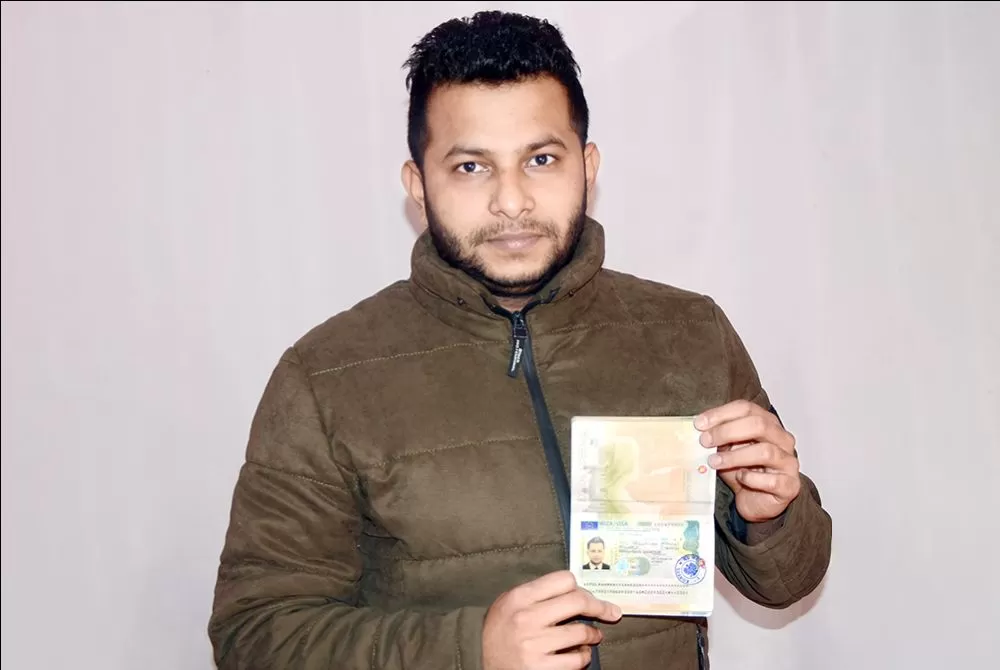
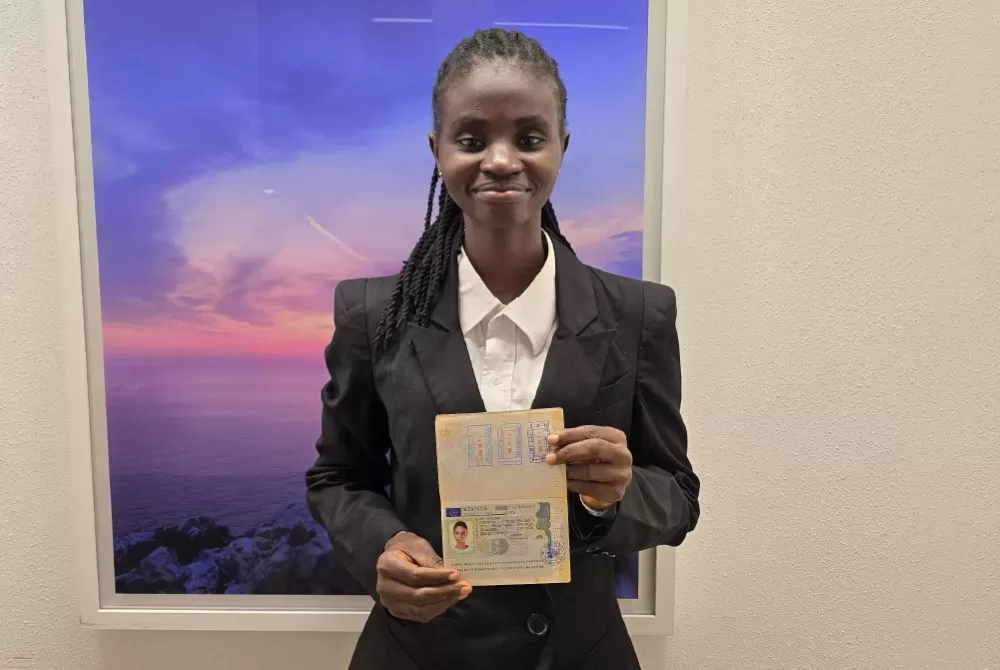
Global clients share how M2S Group helped them secure careers, work permits, and visas in Europe...
At M2S Group, we aim to help you become a true global citizen by providing exceptional support in your international career and immigration journey.
Read MoreWe connect institutions, employers, students, job seekers, and recruitment partners worldwide.


Are you recruiting skilled workers from the CIS, African, Asian regions, or other EU countries to work in Poland, Hungary, Lithuania, Slovakia, Estonia, Germany, and other EU nations? Partner with Moving2Europe.eu for efficient and reliable recruitment solutions.

Are you looking to work in Poland, Hungary, Lithuania, Slovakia, Estonia, Germany, or other EU countries? Could you let Moving2Europe. Can you connect with top employers and help with recruitment?

Do you recruit prospective students and workers eager to study or work in Poland, Hungary, Lithuania, Slovakia, Estonia, Germany, or other EU countries? Join Moving2Europe.eu as a trusted Recruitment Partner and grow your network globally.
We are here to help you explore opportunities to work and live in Europe. Our experts are ready to assist you with questions about job searching, obtaining a visa, recognising qualifications, and learning a European language. To learn more about contacting us, please click on one of the icons in the bar below.

No products in the cart.