We are a global platform connecting institutions, employers, students, job seekers, and recruitment partners.
Join Us Today:
Denmark stands among the most prosperous and innovative nations in Europe, attracting foreign professionals with its strong economy, transparent labour laws, and excellent quality of life. For skilled and unskilled workers alike, Denmark offers genuine opportunities to build a career in one of the world's safest and best-organised countries.
This guide provides a comprehensive overview of the Denmark Work Visa and Work Permit process, covering eligibility, visa types, required documents, step-by-step procedures, fees, and key benefits for foreigners seeking to work legally in Denmark.
1. A Strong, Innovative Economy
Denmark is home to a thriving economy powered by industries such as engineering, information technology, renewable energy, construction, logistics, healthcare, and agriculture. Its consistent growth and low unemployment rate make it an ideal destination for job seekers from around the globe.
2. High Demand for Foreign Professionals
Due to skill shortages and an ageing population, Danish employers actively recruit international workers from India, Nepal, Bangladesh, the Philippines, Vietnam, and African countries to fill critical roles in logistics, hospitality, and healthcare sectors.
3. Legal Pathway to Live and Work in Europe
A Danish Work Visa provides a legal way for non-EU nationals to live and work in Denmark. Once you receive your residence card, you gain access to the Schengen Area, allowing short business or tourist travel across multiple EU countries.
4. Excellent Quality of Life
Denmark consistently ranks among the world’s happiest and safest countries. Workers enjoy a healthy work-life balance, affordable healthcare, and excellent education and welfare systems.
5. Pathway to Permanent Residency
After several years of legal residence, foreign workers can apply for Permanent Residence (PR) and later become eligible for Danish citizenship, gaining long-term security and benefits for their families.
6. Efficient Immigration Process
Denmark’s immigration system is fully digitalised and transparent, making the visa and work permit process straightforward and efficient.
A Danish work permit authorises a non-EU citizen to work legally for a specific employer in Denmark. It specifies your job title, employer name, work location, and contract duration. Without a valid permit, you cannot apply for a visa or start employment.
Work permits are issued by the Danish Agency for International Recruitment and Integration (SIRI), which falls under the Ministry of Immigration and Integration.
Most Danish work permits are valid for one to two years, depending on the employment contract and permit category. They can be renewed if employment continues.
|
Permit Type |
Purpose |
Validity |
Ideal For |
|---|---|---|---|
|
Pay Limit Scheme |
For professionals earning above a specific annual salary threshold |
2 years (renewable) |
High-income professionals |
|
Positive List Scheme |
For jobs facing a shortage of qualified professionals |
1–2 years |
Skilled workers and specialists |
|
Fast-Track Scheme |
For foreign employees hired by certified Danish companies |
2 years |
Managers and experts |
|
Researcher Permit |
For foreign researchers employed at approved Danish institutions |
Contract-based |
Academics and scientists |
|
Seasonal Work Permit |
For short-term employment in agriculture, hospitality, or tourism |
6–9 months |
Seasonal workers |
|
Internship Permit |
For students or trainees, gaining professional experience |
Up to 18 months |
Interns and trainees |
The Type D Work Visa allows non-EU nationals to live and work in Denmark for more than 90 days. It is directly linked to your approved work permit.
To apply for a Danish Work Visa, you must:
The work visa is generally issued for 1 to 2 years, with the possibility of extension based on the duration of employment or the need to renew the residence permit.
|
Stage |
Estimated Duration |
|---|---|
|
Work Permit (SIRI) |
30–60 working days |
|
Embassy Visa Processing |
15–30 working days |
|
Residence Card (Post Arrival) |
1–3 months |
|
Total Estimated Duration |
45–90 working days |
|
Service |
Average Fee (€) |
Paid By |
|---|---|---|
|
Work Permit Application |
600–650 |
Employer |
|
Type D Visa |
80–100 |
Employee |
|
Embassy / VFS Service Fee |
20 |
Employee |
|
Residence Card |
200 |
Employee |
Additional costs include health insurance, translation, and document legalisation.
|
Industry |
Common Roles |
Average Monthly Salary (€) |
Permit Type |
|---|---|---|---|
|
Construction |
Electricians, Welders, Plumbers |
2,800–3,800 |
Positive List |
|
Manufacturing |
Machine Operators, Technicians |
2,500–3,500 |
Positive List |
|
IT & Engineering |
Developers, System Analysts |
3,500–6,000 |
Blue Card / Pay Limit |
|
Healthcare |
Nurses, Caregivers |
3,000–4,800 |
Positive List |
|
Agriculture |
Farm Workers, Packers |
1,800–2,500 |
Seasonal |
|
Logistics |
Truck Drivers, Forklift Operators |
2,500–3,600 |
Fast-Track |
|
Hospitality |
Chefs, Housekeepers, Waiters |
2,000–3,000 |
Seasonal |
|
Research & Education |
Researchers, Lecturers |
3,000–5,000 |
Researcher Permit |
Denmark is one of Europe’s most desirable destinations for international professionals thanks to its world-class work culture, high-income economy, modern infrastructure and exceptional quality of life. However, Danish immigration rules—salary thresholds, job approval lists, employer sponsorship, and strict documentation standards—can be challenging to manage without proper guidance.
Moving2Europe.eu provides clear, structured and legally compliant Denmark immigration solutions for individuals, families and employers seeking a smooth entry into the Danish labour market.
We support all primary Danish visa and residence categories, including:
Our services cover both single applicants and companies hiring foreign workers.
1. Work Permit & Residence Application Handling
Complete support for:
2. Document Preparation & Embassy File Management
We assist with:
3. Arrival & Compliance in Denmark
Post-arrival guidance includes:
We support families relocating to Denmark with:
We ensure your family moves to Denmark easily and legally.
Denmark experiences labour shortages across several high-demand industries:
We help employers with:
We ensure international hires receive correct and timely Danish permits.
Tailored solutions for top executives include:
Our digital platform offers:
Perfect for individuals, multinational companies and HR teams.
We make Denmark’s complex immigration process predictable, efficient and legally secure.
Whether you're applying for a job, relocating your family or hiring international talent, Moving2Europe.eu delivers a professional, reliable and fully compliant Denmark immigration service from start to finish.
1. What are the main types of Denmark work permits?
Denmark offers the Positive List Visa, Pay Limit Scheme, Fast-Track Scheme, Seasonal Work Permits, and EU Blue Card. Each category fits different skill levels and employer needs.
2. What is the Positive List for Skilled Workers?
It is a list of professions experiencing labour shortages in Denmark. Applicants with job offers in these roles receive faster work permit approval.
3. What documents are required for a Denmark work permit?
You need a passport, a signed job offer, salary details, employer registration, educational certificates, and proof of financial ability. Some documents need translation into English or Danish.
4. How long does it take to process a Danish work permit?
Most permits are processed in 4–8 weeks. Fast-Track Scheme applications can be approved in as little as 1–2 weeks.
5. Do I need a job offer to get a Denmark work visa?
Yes, almost all Danish work permits require a firm job offer. Salary and contract conditions must meet Danish rules.
6. What is the Pay Limit Scheme?
A permit category for workers offered a high annual salary (above Denmark’s set threshold). It allows faster processing with no labour market test.
7. Can I apply for a Denmark work permit from abroad?
Yes, applications can be submitted from your home country. Your employer submits part of the application online through SIRI.
8. Can Danish employers sponsor foreign workers?
Yes, employers sponsor workers through the Pay Limit, Positive List, or Fast-Track schemes. They must meet strict salary and compliance standards.
9. What is the minimum salary for Denmark work permits?
Salary requirements vary by permit type. The Pay Limit Scheme requires a high annual salary, while Positive List roles follow industry standards.
10. Can students work in Denmark?
Yes, international students can work up to 20 hours per week during the semester. Full-time work is permitted in the summer months.
11. What are the shortage occupations in Denmark?
Healthcare, IT, engineering, construction, green energy, hospitality, and logistics. These occupations appear on the Positive List.
12. Can I bring my family to Denmark on a work permit?
Yes, spouses and children can join you under family reunification. They receive residence permits linked to their employment.
13. Do dependents have work rights in Denmark?
Yes, adult dependents generally receive unrestricted access to the Danish labour market under family permits.
14. What is the Denmark EU Blue Card?
A permit for highly qualified workers with recognised education and a high salary offer. It provides strong mobility rights within the EU.
15. Can I change employers after receiving my Danish permit?
Yes, but you must apply for a new permit reflecting the new employer. You'll need to get approval before starting the new job.
16. Do I need Danish language skills to work in Denmark?
Not necessarily. Many companies hire English speakers, especially in IT, research, engineering, and hospitality. Danish helps with daily life.
17. Is health insurance mandatory in Denmark?
Yes, but once you register in Denmark, you receive public health coverage (yellow health card). Before arrival, private insurance is required.
18. What is the Seasonal Work Permit in Denmark?
A temporary permit for agriculture, farming, and food processing jobs. It is valid for short-term, unskilled or semi-skilled roles.
19. Can seasonal workers switch to long-term residence?
Seasonal permits do not lead to permanent residence. Workers must secure a new full-time skilled job.
20. How do I register my address in Denmark?
After arrival, you must register your address with the local municipality (kommune). This registration activates your CPR number and health coverage.
21. Can I apply for permanent residence in Denmark?
Yes, typically after 8 years of legal stay (sometimes 4–6 years for highly integrated workers). Stable income and clean records are required.
22. Does Denmark hire non-EU workers?
Yes, Denmark actively recruits foreign workers due to labour shortages in key sectors like healthcare and engineering.
23. What are Denmark’s most in-demand jobs?
Nurses, engineers, IT developers, chefs, warehouse staff, electricians, social workers, and agricultural workers.
24. Is it challenging to get a job in Denmark?
Skilled workers find opportunities relatively easily. Unskilled jobs exist, but they usually require an employer's readiness to sponsor.
25. How long is the Danish long-stay visa valid?
Long-stay visas (Type D) typically cover entry until your residence card is issued. Validity is usually 90 days.
26. Can I renew my Denmark work permit?
Yes, renewals are possible if your employment continues. Apply early to avoid losing legal status.
27. What is a Danish Residence Card?
It is a biometric card confirming your right to work and live in Denmark. It must be shown when accessing services or travelling.
28. Do I need biometrics for a Denmark visa?
Yes, fingerprints and photographs are collected at VFS or the embassy. They are required for your residence card as well.
29. Can my employer apply for my permit?
Yes, employers submit their part of the application through SIRI’s online system. You complete the process at the embassy or online.
30. Is Denmark part of the Schengen Area?
Yes, Denmark is a Schengen country. Residents can travel freely within the Schengen region for short stays.
31. Can I travel in Europe with a Danish residence permit?
Yes, you may travel to other Schengen countries for up to 90 days in 180 days. Your residence permit must be valid.
32. What if my Denmark work permit is rejected?
You can appeal or apply again with improved documentation. Many refusals happen due to salary or contract issues.
33. Does Denmark offer visas for truck drivers?
Yes, logistics companies hire foreign drivers when labour shortages occur. Employers must meet Danish pay and training standards.
34. Is Denmark a good choice for skilled migrants?
Yes, Denmark offers high salaries, strong worker protections, and an excellent quality of life for qualified workers.
35. Do my documents need Danish translations?
Some documents must be translated into English or Danish, depending on the employer and immigration category. Legalisation may also be required.
36. Can unskilled workers find jobs in Denmark?
Yes, sectors such as agriculture, cleaning, hospitality, and food production hire unqualified staff. Most roles still require employer sponsorship.
37. What is the work permit processing time in Denmark?
Regular applications take 4–8 weeks. Fast-Track applications may be completed in 1–2 weeks if all documents are in order.
38. Are healthcare professionals in demand in Denmark?
Yes, nurses, doctors, caregivers, and therapists are highly sought after. Credential recognition may be required.
39. Do employers provide accommodation in Denmark?
Some employers offer housing support, especially in agriculture and remote regions. Most skilled workers arrange housing independently.
40. What is the labour market check in Denmark?
Specific visa categories require verifying that no local workers are available. However, many schemes, such as Pay Limit, do not need this check.
41. Can I start working while my permit is being processed?
No, you must wait until the permit is approved. Working before approval can result in fines or permit refusal.
42. Is there an age limit for Denmark work permits?
No formal age limit exists, but employers prefer workers who meet job and health requirements.
43. Can I convert a tourist visa to a work visa?
No, Denmark does not allow in-country conversion. You must apply from outside Denmark.
44. Does Denmark offer entry-level or unskilled jobs?
Yes, in agriculture, food processing, cleaning, and seasonal fields. Employer sponsorship is required for these roles.
45. Are biometrics required again after arrival?
Yes, you must appear at a SIRI office in Denmark to submit biometrics for your residence card.
46. Does Denmark have a remote work or digital nomad visa?
Not at this time, but freelancers can explore business residence permits depending on project type and financial stability.
47. What are Denmark’s highest-paying sectors?
IT, engineering, renewable energy, healthcare, biotech, and finance offer some of the highest salary packages.
48. Does Moving2Europe.eu provide Denmark visa support?
Yes, we help with job placement, employer sponsorship, documentation, embassy filing, and residence card procedures.
49. Can working in Denmark lead to permanent residence?
Yes, long-term employment and legal stay can lead to permanent residence after several years. Integration requirements apply.
50. How can I begin my Denmark work visa application?
Could you share your CV with Moving2Europe.eu, select your job category, and our experts will guide you through employer selection and full permit processing?
M2S Group Sp. z o.o. Provides comprehensive guidance for obtaining Denmark Work Visas, Work Permits, and Residence Cards.
Our professional consultants assist with employer coordination, document preparation, and embassy submission — ensuring a legal, transparent, and stress-free process.
If you need verified support and genuine opportunities, you can contact M2S Group Sp. z o.o. Today, begin your successful journey toward legal employment in Denmark.
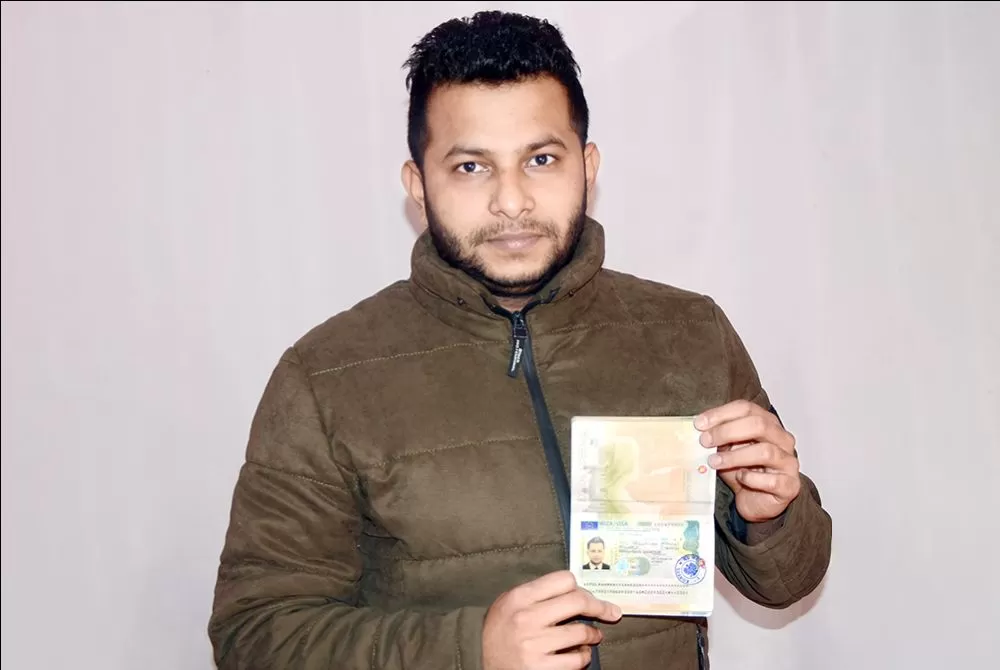
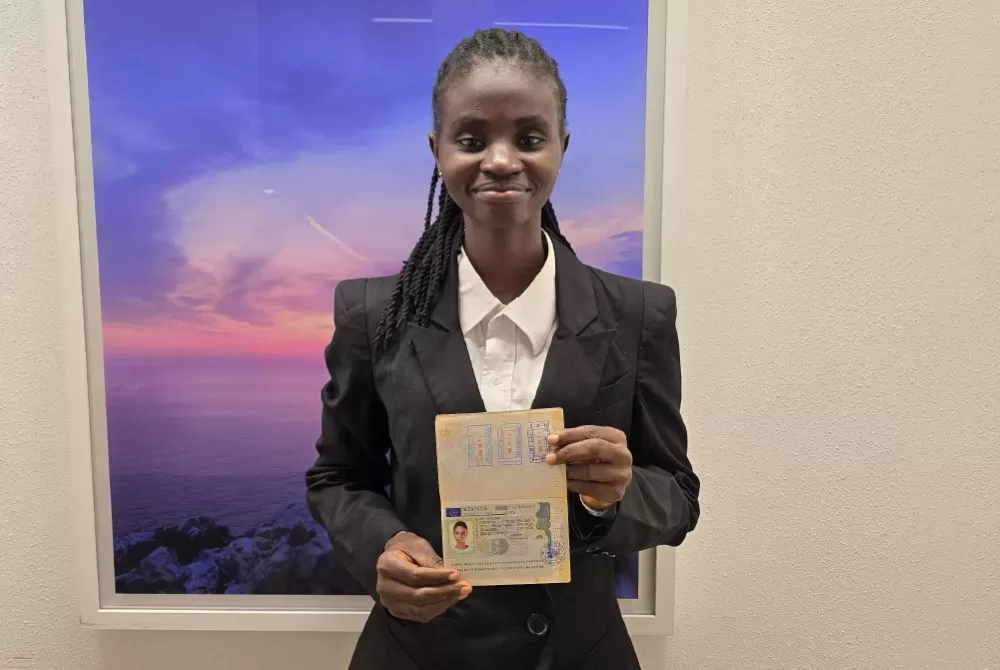
Global clients share how M2S Group helped them secure careers, work permits, and visas in Europe...
At M2S Group, we aim to help you become a true global citizen by providing exceptional support in your international career and immigration journey.
Read MoreWe connect institutions, employers, students, job seekers, and recruitment partners worldwide.


Are you recruiting skilled workers from the CIS, African, Asian regions, or other EU countries to work in Poland, Hungary, Lithuania, Slovakia, Estonia, Germany, and other EU nations? Partner with Moving2Europe.eu for efficient and reliable recruitment solutions.

Are you looking to work in Poland, Hungary, Lithuania, Slovakia, Estonia, Germany, or other EU countries? Could you let Moving2Europe. Can you connect with top employers and help with recruitment?

Do you recruit prospective students and workers eager to study or work in Poland, Hungary, Lithuania, Slovakia, Estonia, Germany, or other EU countries? Join Moving2Europe.eu as a trusted Recruitment Partner and grow your network globally.
We are here to help you explore opportunities to work and live in Europe. Our experts are ready to assist you with questions about job searching, obtaining a visa, recognising qualifications, and learning a European language. To learn more about contacting us, please click on one of the icons in the bar below.

No products in the cart.