Get Started with M2S Group!
We are a global platform connecting institutions, employers, students, job seekers, and recruitment partners.
Join Us Today:
Jobs in Poland – Work Permit, Visa, Salary & Hiring Guide
Poland is the largest economy in Central and Eastern Europe and the sixth-largest member state of the European Union, situated in the heart of Europe and bordered by Germany, the Czech Republic, Slovakia, Ukraine, Belarus, Lithuania, and Russia. Home to approximately 38 million people, Poland has been one of the fastest-growing major economies in Europe for three decades — the only EU member state to avoid recession during the global financial crisis — and is home to over 1,800 shared service and business process outsourcing centres employing over 430,000 people, a world-class IT sector, a major automotive and manufacturing base, and an increasingly significant financial services hub.
Poland faces well-documented and growing labour shortages across IT, manufacturing, construction, healthcare, logistics, and agriculture. Foreign workers now make up an estimated 12–15% of the active workforce, with Ukraine historically supplying the largest share of international workers and new bilateral agreements expanding the talent pipeline from Asia. Poland's unemployment rate stands at approximately 5.3% — but this headline figure masks acute structural shortages in skilled trades, technology, and healthcare that domestic recruitment cannot address.
According to the Central Statistical Office of Poland — GUS — the average gross monthly salary in the enterprise sector reached PLN 9,198 — approximately €2,115 — in the fourth quarter of the most recently reported period, representing year-on-year growth of approximately 10%. Warsaw, Kraków, Wrocław, and Gdańsk pay above the national average. The minimum wage from 1 January of the most recent adjustment is PLN 4,666 gross per month — PLN 30.50 per hour — the largest single minimum wage in the country's history.
From 1 June 2025, Poland's immigration system underwent significant reforms under the new Law on the Employment of Foreigners. The labour market test — the obligation to advertise a vacancy and confirm no Polish workers were available — was abolished for most categories. All permit procedures moved to a fully online system at Praca.gov.pl. Fines for illegal employment were dramatically increased, reaching PLN 50,000 per foreign worker. Fast-track processing was introduced for strategic employers and shortage occupations.
This guide covers everything you need to know about jobs in Poland — including 40 verified shortage occupations with salary data, and a complete, accurate guide to the Type A Work Permit, Single Permit (Temporary Residence and Work Permit), EU Blue Card, Oświadczenie Declaration, and National Visa D process, updated for the June 2025 reforms. Whether you are a job seeker, an employer, or a recruitment agency, Moving2Europe.eu is here to connect you with verified opportunities across Poland and the wider European region.
Europe Job Market Overview
Europe is experiencing structural and sustained labour shortages driven by ageing populations, demographic change, and economic growth that domestic labour forces cannot meet. Poland occupies a distinctive position in this dynamic — a country with one of Europe's most active international labour markets, hosting millions of foreign workers while simultaneously losing Polish workers to higher-wage Western European countries, and now implementing one of the most significant overhauls of its immigration system in its modern history.
Poland's immigration framework for foreign workers is managed by the Voivode offices — Urzędy Wojewódzkie — across Poland's 16 voivodeships, with national oversight from the Ministry of the Interior and Administration. Applications for work permits and single permits are submitted online through Praca.gov.pl. The Ministry of Foreign Affairs publishes visa information at gov.pl/web/diplomacy. EU, EEA, and Swiss citizens may work freely in Poland without any permit.
Key June 2025 Reform Changes: The Labour Market Test has been abolished — employers no longer need to obtain a statement confirming that no Polish workers are available — and replaced by a system in which local authorities may create lists of professions temporarily closed to foreign workers. All procedures have moved entirely online to Praca.gov.pl. Employers must submit a copy of the employment contract to the voivode before the worker begins. Employer reporting obligations have been expanded and tightened. Fines for illegal employment now range from PLN 3,000 to PLN 50,000 per worker. Fast-track processing applies to strategic employers, renewals with the same conditions, and shortage occupations.
For international job seekers, Poland offers access to one of Europe's most active and employer-friendly labour markets, rising wages, EU Schengen freedom of movement for those who obtain a Schengen-area permit, a low cost of living relative to Western Europe, and a rapidly growing economy. For employers, the abolition of the labour market test significantly reduces administrative burden and time-to-hire. For recruitment agencies, Poland is the most active international labour market in Central Europe.
Jobs in Poland – Market Overview
Poland's economy is driven by a world-class IT and shared services sector, a major automotive, machinery, and electronics manufacturing base, a significant food and agriculture sector, a growing financial services and fintech industry, construction and infrastructure — significantly boosted by EU funds — logistics and transport, and healthcare and social services under demographic pressure.
Key industries actively hiring international workers include:
Information Technology: Poland is one of Europe's most significant IT and outsourcing destinations, with over 1,800 shared service and BPO centres and a world-class software development community. Software developers, data scientists, cybersecurity specialists, cloud engineers, and IT architects are in acute shortage. IT specialists in Warsaw earn PLN 11,000–25,000 or more per month gross. Many IT roles operate entirely in English.
Manufacturing and Automotive: Poland's manufacturing sector — encompassing automotive, electronics, machinery, metal processing, and chemical production — is the country's largest employer. Machine operators, CNC machinists, welders, assembly workers, mechanical engineers, and production managers are in a consistent, documented shortage across industrial centres, including Katowice, Łódź, Poznań, and Wrocław.
Construction and Infrastructure: Poland is implementing one of the largest EU-funded infrastructure investment programmes in Europe, driving sustained demand for electricians, plumbers, bricklayers, carpenters, welders, scaffolders, and civil engineers across all regions of Poland.
Logistics and Transport: Poland is the primary logistics corridor between Western Europe and Eastern Europe. Truck drivers are the single most consistently demanded role in Poland's labour market — Category C/CE licence holders are needed across all regions year-round. Forklift operators and warehouse workers are also in acute shortage.
Healthcare: Poland's healthcare system faces documented shortages of doctors, nurses, pharmacists, and physiotherapists, driven by an ageing population and the emigration of healthcare professionals to Western European countries.
Agriculture: Polish agriculture — producing cereals, apples, pork, dairy, and a wide range of vegetables — generates seasonal and year-round demand for harvest workers, agricultural operatives, and food processing workers.
Top Cities for Jobs in Poland
Jobs in Warsaw
Warsaw is Poland's capital and dominant economic hub, paying the highest average salaries in the country — the Warsaw region averages approximately PLN 9,500–11,000 gross per month, significantly above the national average — and is home to the majority of the country's IT companies, financial institutions, multinational headquarters, and shared service centres. IT professionals in Warsaw earn PLN 11,000–30,000 or more per month on average. Finance professionals earn PLN 10,000–25,000. The city has a large and well-established international community, high English proficiency in professional environments, and excellent transport connections to the rest of Europe.
Jobs in Kraków, Wrocław, and Gdańsk
Kraków is Poland's second economic hub and the largest concentration of shared service and BPO centres outside Warsaw — home to operations of hundreds of international companies. Wrocław in Lower Silesia is a major centre for IT, manufacturing, and automotive engineering. Gdańsk and the Tricity conglomeration in northern Poland are significant technology, logistics, and shipbuilding hubs. All three cities pay above the national average — consistently ranking among the highest-paying cities after Warsaw — with competitive salaries in finance and engineering in Poznań, Katowice, Łódź, and Other Industrial Regions.
Poznań in Greater Poland is a major automotive, logistics, and trade hub with consistent demand in manufacturing and IT. Katowice in Silesia anchors one of Poland's largest industrial conurbations, with demand in mining, manufacturing, and automotive sectors. Łódź in central Poland has a significant logistics, textile, and IT sector. These cities and Poland's broader industrial regions generate consistent demand for manufacturing, construction, and logistics workers, often with lower competition for international candidates than the largest urban centres.
Job Opportunities in Poland
Blue-Collar Jobs in Demand in Poland
The following 20 blue-collar roles represent Poland's most critical shortage occupations in skilled and trades sectors, based on verified data from GUS, EURES Poland, the Ministry of Labour vacancy data, and the June 2025 shortage occupation framework.
| Job Title | Skills / Qualifications Required | Average Monthly Salary (PLN) | Top Hiring Cities / Regions |
|---|---|---|---|
| Truck Driver (Category C/CE) | Category C/CE licence, ADR certificate preferred, clean driving record | PLN 7,000 – 11,000 | Warsaw, Łódź, Poznań, all regions |
| Welder (MIG/TIG/MAG/MMA) | Recognised welding qualification, minimum 2 years experience | PLN 6,500 – 10,000 | Katowice, Warsaw, Wrocław, Poznań |
| Electrician | Recognised vocational electrical qualification, installation and safety certification | PLN 7,000 – 11,000 | Warsaw, Wrocław, Kraków, Katowice |
| Plumber / Pipefitter | Recognised vocational plumbing qualification, minimum 2 years installation experience | PLN 6,500 – 10,000 | Warsaw, Wrocław, Kraków |
| Bricklayer / Mason | Recognised masonry qualification or minimum 3 years of site experience | PLN 6,000 – 9,500 | Warsaw, Wrocław, Kraków |
| Carpenter / Joiner | Recognised carpentry qualification, construction or furniture production experience | PLN 6,000 – 9,500 | Warsaw, Wrocław, Poznań |
| CNC Machine Operator / Machinist | Vocational machining qualification, CNC programming or operation experience | PLN 7,000 – 11,000 | Wrocław, Katowice, Poznań, Łódź |
| Assembly / Production Line Worker | Physical stamina, manufacturing production experience, and technical aptitude | PLN 5,000 – 8,000 | Katowice, Wrocław, Poznań, Łódź |
| Forklift Operator / Warehouse Operative | Valid forklift operator licence, logistics or warehouse experience | PLN 5,500 – 8,500 | Warsaw, Łódź, Wrocław, Poznań |
| Agricultural Worker | Physical fitness, crop or harvest experience, seasonal availability | PLN 4,666 – 7,000 | Mazovia, Świętokrzyand skie, agricultural regions |
| HVAC Specialist | Recognised HVAC qualification, installation and commissioning experience | PLN 7,000 – 11,000 | Warsaw, Wrocław, Kraków |
| Roofer | Recognised roofing qualification, ability to work safely at height | PLN 6,000 – 9,500 | Warsaw, Wrocław, Kraków |
| Painter and Decorator | Vocational painting qualification or minimum 2 years documented experience | PLN 5,500 – 8,500 | Warsaw, Wrocław, Kraków |
| Scaffolder | Scaffolding certification, physical fitness, and construction site experience | PLN 6,000 – 9,500 | Warsaw, Wrocław, Gdańsk |
| Chef / Cook | Recognised culinary qualification or minimum 3 years professional kitchen experience | PLN 5,000 – 8,000 | Warsaw, Kraków, Wrocław, Gdańsk |
| Food Processing Worker / Meat Processing Worker | Physical stamina, food or meat production line experience | PLN 5,000 – 7,500 | Mazovia, Łódź, Wielkopolska food processing regions |
| Metal Worker / Sheet Metal Fabricator | Vocational metalworking qualification, sheet metal fabrication experience | PLN 6,000 – 9,500 | Katowice, Wrocław, Poznań |
| Maintenance Technician / Mechatronics Technician | Vocational electromechanical qualification, industrial plant maintenance experience | PLN 7,000 – 11,000 | Katowice, Wrocław, Poznań, Łódź |
| Caregiver / Elderly Care Worker | Care certificate or minimum 2 years documented care experience, basic Polish | PLN 5,000 – 7,500 | Warsaw, Kraków, Wrocław, regional towns |
| Bus / Tram Driver | Category D or tram operator licence, passenger transport experience, and a clean driving record | PLN 6,500 – 9,500 | Warsaw, Kraków, Wrocław, Gdańsk |
Register as a Truck Driver → Browse Welder Opportunities →
White-Collar Jobs in Demand in Poland
The following 20 white-collar roles represent Poland's most critical shortage occupations in professional and highly skilled sectors, based on verified data from GUS, EURES Poland, and the Ministry of Labour's shortage occupation framework.
| Job Title | Skills / Qualifications Required | Average Monthly Salary (PLN) | Top Hiring Cities |
|---|---|---|---|
| Software Developer / Engineer | Degree or equivalent, proficiency in Java, Python, JavaScript, C++, or Go | PLN 11,000 – 25,000+ | Warsaw, Kraków, Wrocław, Gdańsk |
| Data Scientist / Machine Learning Engineer | Degree in IT, mathematics, or statistics, proficiency in Python and ML frameworks | PLN 12,000 – 28,000 | Warsaw, Kraków, Wrocław |
| CAn ybersecurity Specialist | IT security degree or certification, threat detection and system protection experience | PLN 12,000 – 28,000 | Warsaw, Kraków, Wrocław |
| Cloud / DevOps Engineer | Cloud platform experience (AWS/Azure/GCP), CI/CD pipelines, automation skills | PLN 12,000 – 26,000 | Warsaw, Kraków, Wrocław |
| IT Project Manager / IT Architect | PMP or Agile certification, with a minimum of 3 years of experience in technology project management | PLN 13,000 – 28,000 | Warsaw, Kraków, Wrocław |
| Mechanical Engineer | Degree in mechanical engineering, automotive, manufacturing, or industrial experience | PLN 8,000 – 15,000 | Wrocław, Katowice, Poznań, Warsaw |
| Electrical Engineer | Degree in electrical engineering, industrial automation or power systems experience | PLN 8,000 – 15,000 | Wrocław, Katowice, Poznań |
| Civil / Construction Engineer | Degree in civil engineering, infrastructure or building project experience | PLN 7,500 – 14,000 | Warsaw, Wrocław, Kraków, Gdańsk |
| Automation / Robotics Engineer | Degree in automation or electrical engineering, PLC programming and robotics experience | PLN 9,000 – 17,000 | Wrocław, Katowice, Poznań |
| Doctor / Medical Specialist | Medical degree, valid specialisation certificate, Polish medical council registration | PLN 12,000 – 35,000+ | Wand and arsaw, Kraków, Wrocław, regional hospitals |
| Registered Nurse | Recognised nursing degree, valid Polish professional registration, and clinical experience | PLN 7,000 – 12,000 | Warsaw, Kraków, Wrocław, and regional hospitals |
| Physiotherapist | Physiotherapy degree, valid Polish professional registration, and rehabilitation experience | PLN 7,000 – 12,000 | Warsaw, Kraków, Wrocław |
| Financial Analyst / Controller | Degree in finance or accounting, ERP and financial systems experience | PLLaw,000 – 18,000 | Warsaw, Kraków, Wrocław |
| AML / Compliance Officer | Degree in LLaw or finance, Financial Law and regulatory knowledge, and EU regulatory experience | PLN 10,000 – 20,000 | Warsaw, Kraków, Wrocław |
| Accountant / Tax Specialist | Degree in accounting, ACCA or equivalent preferred, Polish tax and accounting standards | PLN 8,000 – 15,000 | Warsaw, Kraków, Wrocław |
| Logistics / Supply Chain Manager | Degree in logistics or business, procurement and international supply chain experience | PLN 9,000 – 17,000 | Warsaw, Łódź, Poznań, Wrocław |
| Renewable Energy Engineer | Degree in energy, electrical, or environmental engineering, with wind or solar experience | PLN 9,000 – 17,000 | Warsaw, Wrocław, Gdańsk |
| Human Resources Manager | Degree in HR or business, knowledge of Polish labour law and collective agreements | PLN 8,000 – 16,000 | Warsaw, Kraków, Wrocław |
| Quality Engineer / QA Manager | Engineering degree, ISO quality standards, automotive or manufacturing experience | PLN 8,000 – 15,000 | Wrocław, Katowice, Poznań |
| Pharmaceutical / Laboratory Scientist | Degree in chemistry, biology, or pharmacy, GMP laboratory or research experience | PLN 8,000 – 16,000 | Warsaw, Kraków, Łódź |
Register as a Healthcare Worker → Explore All Opportunities →
Salary in Poland
Poland offers salaries below Western European levels but is growing rapidly — GUS data shows average gross wage growth of approximately 10% year on year in the most recently reported quarter. Poland's very affordable cost of living relative to Western Europe provides strong real purchasing power — particularly outside Warsaw.
According to GUS, the average gross monthly salary in the enterprise sector reached PLN 9,198 — approximately €2,115 — in the fourth quarter of the most recently reported period. Warsaw, Kraków, Wrocław, and Gdańsk consistently pay above the national average, often exceeding PLN 10,000–11,000 in the technology, finance, and professional services sectors. The IT and communication sector pays PLN 11,000–28,000+ gross per month at senior levels.
The minimum wage is PLN 4,666 gross per month — PLN 30.50 per hour — as of 1 January following the most recent adjustment. Remuneration for work permit holders must not be lower than the salary of Polish employees performing equivalent work in comparable positions. Income tax is progressive: 12% on income up to PLN 120,000 and 32% above this threshold, with a tax-free allowance of PLN 30,000 per year.
| Sector | Role | Average Monthly Salary (PLN gross) |
|---|---|---|
| Information Technology | Software Developer | PLN 11,000 – 25,000+ |
| Information Technology | Cybersecurity Specialist | PLN 12,000 – 28,000 |
| Healthcare | Doctor / Medical Specialist | PLN 12,000 – 35,000+ |
| Healthcare | Registered Nurse | PLN 7,000 – 12,000 |
| Engineering | Mechanical / Electrical Engineer | PLN 8,000 – 15,000 |
| Finance | AML / Compliance Officer | PLN 10,000 – 20,000 |
| Construction and Trades | Electrician | PLN 7,000 – 11,000 |
| Transport | Truck Driver (C/CE) | PLN 7,000 – 11,000 |
| Manufacturing | CNC Machine Operator | PLN 7,000 – 11,000 |
| Logistics | Supply Chain Manager | PLN 9,000 – 17,000 |
Work Permit Process in Poland
Poland's work authorisation system for non-EU nationals is managed by the Voivode offices — Urzędy Wojewódzkie — in each of Poland's 16 voivodeships. From 1 June 2025, all applications are submitted exclusively online through the Praca.gov.pl portal. The Ministry of Foreign Affairs publishes visa information on its immigration policy. The Ministry of Foreign Affairs publishes visa information at gov.pl/web/diplomacy. Poland is a full member of the EU and the Schengen Area.
Types of Work Authorisation
- Type A Work Permit (Zezwolenie na pracę Typ A): The most commonly issued work permit, for non-EU nationals employed by a Polish employer for more than three months and applied for by the employer through Praca.gov.pl. The employer must submit a copy of the employment contract to the voivode before work begins. Valid for up to three years. Employer-specific and position-specific.
- Single Permit — Temporary Residence and Work Permit (Zezwolenie na pobyt czasowy i pracę): A combined work and residence permit that resolves both authorisations in one document. Applied for by the worker at the voivode of their place of residence. Valid for up to three years. Specifies employer, position, legally minimum walking hours, and contract type. Particularly practical for workers already legally in Poland.
- Oświadczenie — Declaration of Entrusting Work: A simplified six-month permit for citizens of Armenia, Belarus, Georgia, Moldova, and Ukraine. The employer registers the declaration at the district labour office — Powiatowy Urząd Pracy. Processing takes approximately one to five working days. Workers may begin work immediately after the declaration is registered.
- EU Blue Card: For highly qualified professionals with a recognised university degree and a minimum gross monthly salary of approximately PLN 9,500–10,000 — at least 1.5 times the average gross salary. Valid for up to three years. No labour market test required.
- Type B Permit: For members of management boards of legal entities with over 25 employees who do not own shares. Valid for up to five years.
- Seasonal Work Permit: For seasonal employment in agriculture and hospitality for up to nine months per calendar year.
June 2025 Fast-Track Categories
From 1 June 2025, applications receive accelerated review for: employers listed as strategic for Poland's economy, renewals for the same employer and worker with equal or better conditions, and roles in shortage occupations as defined by the Ministry of Labour. Fast-track processing also applies to visas and temporary residence permits for fast-track-qualified applications.
Step-by-Step Type A Work Permit Process
Step 1 – Secure a Confirmed Employment Contract or Offer. The process begins with a confirmed job offer from a legally registered Polish employer. The salary must not be lower than the salary of Polish employees in equivalent positions.
Step 2 – Employer Applies for the Type A Work Permit Through Praca.gov.pl. The employer submits the Type A work permit application online through Praca.gov.pl — all procedures have been online-only since 1 June 2025. The employer pays the application fee. A decision is typically issued within one to two months.
Step 3 – Employer Submits a Copy of the Employment Contract Before Work Begins.s Under the June 2025 reforms, the employer must submit a copy of the signed employment contract to the voivode through Praca.gov.pl immediately after the work permit is issued and before the worker commences employment.
Step 4 – Worker Applies for the National Visa D at the Polish Consulate. te With the approved work permit, the worker applies for a National Visa D at the nearest Polish embassy or consulate in their home country. The visa is issued for the period corresponding to the work permit duration. F: Full visa information is published at gov.pl.
Step 5 – Travel to Poland and Register Address. The worker enters Poland on a TAI-T visa and registers their residential address with the local administrative office (gmina) within 30 days of arrival.
Step 6 – Apply for the Single Permit if Staying Longer Than Three Years. For stays exceeding three years, apply for the Single Permit — Temporary Residence and Work Permit — with the voivode of the worker's place of residence in Poland.
Step 7 – Employer Report Changes through Changes under the. June 2025 reforms: 2. The employer must notify the voivode within seven days if the 2ker did not start work within two months of issuance, interrupted work for more than two months, or ended work more than two months before the permit's expiry. The employer must also notify the voivode within 15 working days of the worker losing the job.
Employers ready to begin the international hiring process can register here →
Work Visa Process in Poland
The National Visa D is the entry document for non-EU nationals coming to work in Poland. It is applied for at the Polish embassy or consulate. The Ministry of Foreign Affairs publishes all visa information and is a member of the Schengen Area. The Ministry of Foreign Affairs publishes all visa information at gov.pl.
Step 1 – Confirm Visa Requirements for Your Nationality. Visit gov.pl to confirm whether your nationality requires a National Visa D to enter Poland for employment.
Step 2 – the TTType: the hee voivode has a work permit. A Type A work permit is issued after the voivode approves our employee's application.
Step 3 – Apply for the National Visa D at the Polish Embassy or Consulate. Submit the visa application, along with all required documents, to the Polish embassy or consulate in your home country.
Step 4 – Travel to Poland and Register Your Address Within 30 Days. Travel to Poland on the National Visa D and register your residential address at the local gmina within 30 days of arrival.
Embassy Guidance
All Applications Are Submitted Exclusively Online. From 1 June 2025: Work permit and single permit applications are handled exclusively through the Praca.gov.pl online portal. Paper applications are no longer accepted.
The Employer Must Submit the Employment Contract to the Voivode Before Work Begins: This requirement was introduced in the June 2025 reforms. The employer submits a copy of the signed employment contract through Praca.gov.pl immediately after the work permit is issued and before the worker commences employment.
The Labour Market Test Has Been Abolished: From 1 June 2025, employers are no longer required to obtain a statement from the local labour office confirming no Polish workers are available. Instead, local authorities may create specific lists of professions temporarily closed to foreign workers in their district.
Strict New Employer Reporting Requirements Apply: Employers must notify authorities within seven days of: the worker not starting work within two months of permit issuance, work being interrupted for more than two months, or work ending more than two months before expiry. Employers must notify within 15 working days of the worker losing the job. Failure carries fines of up to PLN 5,000.
Fines for Illegal Employment Are Now PLN 3,000–50,000 Per Worker: The June 2025 reforms significantly increased penalties. Authorities conduct unannounced joint inspections by the State Labour Inspectorate and Border Guard. Ensure all documentation is in place before any worker commences employment.
The Salary Must Match Polish Employees in Equivalent Roles: The remuneration offered must not be lower than the salary of Polish employees performing equivalent work in comparable positions. This applies to all work permit categories.
Required Documents
The following documents are required for a Type A Work Permit application and a National Visa D in Poland, in accordance with official requirements from the Voivode offices and the Ministry of Foreign Affairs.
| # | Document | Details |
|---|---|---|
| 1 | Valid Passport | Must be valid for the full duration of the intended stay. |
| 2 | Completed Online Work Permit Application | Submitted by the employer through Praca.gov.pl. |
| 3 | Employment Contract or Job Offer | Specifying role, salary at or above the minimum wage and not below that of equivalent Polish employees, working hours, and aviaitions. |
| 4 | Copy of Employment Contract | Submit as of b,y the, voivode through Praca.gov.pl before work begins — required from June 2025. |
| 5 | Proof of Professional Qualifications | Degree certificates, vocational qualifications, or professional licences relevant to the role. |
| 6 | Police Clearance Certificate | Clean criminal record from the home country. |
| 7 | Proof of Accommodation | Confirmed rental agreement or address in Poland — required for the Single Permit application and recommended for visa applications. |
| 8 | Health Insurance | Valid comprehensive health insurance coverage for Poland. |
| 9 | Completed National Visa D Application Form | Available from the Polish embassy or consulate. |
| 10 | Passport-Sized Photographs | Meeting the Polish embassy photograph specifications. |
| 11 | Work Permit Type | The approved Type A work permit is required for the National Type A Application. |
Always verify the current requirements on praca.gov.pl and at the nearest Polish diplomatic mission before submitting.
How to Avoid Rejection
Worker Enters Poland on a Tourism or Family Visit Visa and Attempts to Apply In-Country: From June 2025, foreigners holding visas issued for tourism (type 02), education other than university (type 11), medical treatment (type 14), or other reasons (type 23) are barred from working in Poland. Applicants from countries in these categories will be refused. Holders of residence permits from other Schengen countries may enter Poland, but cannot work unless they hold a Polish residence permit.
Employer Did Not Submit Employment Contract Before Work Began: The employer must sign and submit the employment contract to the voivode at contract.gov.pl before the worker commences work. Starting work before this submission is a legal violation.
Salary Below Equivalent Polish Workers in the Same Role: The remuneration must not be lower than the salary of Polish employees performing equivalent work. Applications where the offered salary is demonstrably below the Polish market rate for the position will be refused.
Employer Has Outstanding Tax or Social Security Obligations: Employers with unpaid tax or social security debts cannot obtain work permits. Confirm tax compliance before initiating the process.
Employer Fails to Meet Reporting Deadlines: The new June 2025 reporting obligations are strictly enforced. Failure to notify authorities of a non-start, work stoppage, early termination, or job loss within the required timeframes carries a fine of up to PLN 5,000PieceWork Peisit Is Position- and Employer-Specific: It specifies the employer and position. Changing employer or position requires a new permit. The worker must not begin work for a new employer before the new permit is approved.
Hiring Foreign Workers in Poland
Poland's labour market urgently needs international workers across IT, manufacturing, construction, logistics, and healthcare. With the abolition of the labour market test, the fully digital Praca.gov.pl portal, and fast-track processing for strategic employers and shortage occupations, employers who build structured international hiring pipelines gain a decisive competitive advantage.
Why Hire International Workers in Poland? The labour market test has been abolished — employers no longer need to prove that no Polish worker is available for most positions. All procedures are online through Praca.gov.pl. Fast-track processing is available for strategic employers and shortage occupations. Poland's very competitive wages relative to Western Europe attract international workers while keeping employer costs manageable.
How to Begin the Hiring Process
Step 1 – Register as an Employer on Moving2Europe.eu Create your employer profile, specify your sector, required roles, and workforce needs. Register as an Employer →
Step 2 – Register as an Employer on Praca.gov.pl. All work permit applications require an employer registration on the Praca—the ov.pl portal.
Step 3 – Issue a Signed Employment Contract confirming the role, salary that meets the minimum wage and is not below that of equivalent Polish workers, and working conditions.
Step 4 – Apply for the Type A Work Permit Through Praca.gov.pl. Submit the application online. Pay the application fee. Ensure the application is complete to avoid delays.
Step 5 – Submit the Entract Copy Before Work Begins. After the work permit is issued, submit a copy of the signed employment contract to the voivode through Praca.gov.pl immediately, before the worker commences work.
Step 6 – Meet All Ongoing Reporting Obligations Monitor and comply with all employer reporting obligations — notify the voivode of non-start, interruption, early termination, and job loss within the required timeframes.
How Job Seekers Can Apply
Step 1 – Confirm Visa Requirements and Entry Status. Visit gov.pl to confirm whether your nationality requires a National Visa D. Confirm that your current visa status allows employment in Poland — tourism, family visit, and medical visas do not permit work.
Step 2 – Prepare Your Documents: Gather your passport, qualification certificates, police clearance certificate, and health insurance. Ensure all documents are current.
Step 3 – Register on Moving2Europe.eu
- Register as a Truck Driver →
- Register as a Welder →
- Register as a Healthcare Worker →
- Explore All Opportunities →
Step 4 – Apply for Available Positions Browse verified job listings and apply to positions that match your qualifications and experience.
Step 5 – Your Employer Applies for the Type A Work Permit Once you have a confirmed employment offer, your employer submits the Type A work permit application through PrTypegov.pl.
Type. Apply for the National Visa D. With the approved permit, apply for the National Visa D at the Polish embassy in your home country.
Step 7 – Travel to Poland, Register Your Address, and Begin Work Travel on the National Visa D. Register your address within 0 days. Begin work only after your employer has submitted a copy of ted the employment contract to the voivode.
Recruitment Agencies & Partnerships
Moving2Europe.eu collaborates with international recruitment agencies, workforce supply companies, and staffing partners to build a consistent, reliable pipeline of pre-screened, work-ready candidates for employers across Poland and the wider European region.
For agencies operating in Asia, Africa, the Middle East, or Eastern Europe, a partnership with Moving2Europe.eu provides direct access to a growing network of verified Polish employers actively seeking international talent across IT, manufacturing, construction, logistics, and healthcare.
Why Partner with Moving2Europe.eu?
- Access to a verified network of Polish employers actively hiring across all major shortage sectors
- A structured, transparent matching process aligned with Poland's June 2025 immigration reforms and Praca.gov.pl requirements
- Compliance support across the Type A Work Permit, Single Permit, Oświadczenie, and EU Blue Card routes
- Long-term business development opportunities in one of Central Europe's most active international hiring markets
- A trusted, professional platform built on transparency and accountability
Register as a Recruitment Partner →
Declaration
Moving2Eon provides information on obs, work permits, visas, and international hiring for guidance purposes only. We do not guarantee job placement, work permit approval, or visa issuance under any circumstances.
All applications, hiring decisions, and approvals are subject to individual employer requirements, applicable immigration laws, and the final decision of the respective country's embassy or government authorities.
Users are strongly advised to independently verify all information, ensure the accuracy of their documents, and follow official procedures before submitting any application.
Who can apply for jobs in Poland as a foreign worker?
Who is eligible to work in Poland and what the Type A Work Permit and Single Permit requirements mean for non-EU nationals. Non-EU and non-EEA nationals can work in Poland provided they hold a valid Type A Work Permit or Single Permit (Temporary Residence and Work Permit) issued by the voivode. EU, EEA, and Swiss citizens may work freely in Poland without any permit. From June 2025, workers holding visas for tourism, family visits, medical treatment, or other non-work purposes issued by Polish authorities are barred from working in Poland. The work permit is employer-specific and position-specific.- Who can apply for jobs in Poland as a foreign worker?
-
Who is eligible to work in Poland and what the Type A Work Permit and Single Permit requirements mean for non-EU nationals.
Non-EU and non-EEA nationals can work in Poland provided they hold a valid Type A Work Permit or Single Permit (Temporary Residence and Work Permit) issued by the voivode. EU, EEA, and Swiss citizens may work freely in Poland without any permit. From June 2025, workers holding visas for tourism, family visits, medical treatment, or other non-work purposes issued by Polish authorities are barred from working in Poland. The work permit is employer-specific and position-specific.
- What changed in Poland's immigration system from June 2025?
-
The key reforms to Poland's Law on the Employment of Foreigners and what they mean for employers and workers.
From 1 June 2025, Poland's immigration system underwent comprehensive reforms. The labour market test — which required employers to advertise vacancies and confirm that no Polish candidates were available — was abolished. All permit procedures moved exclusively online to Praca.gov.pl — paper applications are no longer accepted. Employers must submit a copy of the employment contract to the voivode before the worker commences. Employer reporting obligations were expanded to include strict seven-day and 15-day notification requirements. Fines for illegal employment increased to PLN 3,000–50,000 per worker. Fast-track processing was introduced for strategic employers, renewals, and shortage occupations. Workers on tourism, family visit, and medical visas were prohibited from working in Poland.
- What is the Type A Work Permit in Poland?
-
Poland's most common work permit for non-EU nationals and how the employer-led application works.
The Type A Work Permit is Poland's most widely used work authorisation for non-EU nationals employed by a Polish employer for more than three months. The employer applies through the Praca.gov.pl online portal. The permit specifies the employer, position, minimum remuneration, working hours, and contract type. After issuance, the employer must submit a copy of the signed employment contract to the voivode before the worker begins. The permit is valid for up to three years, or up to five years for members of management boards of legal entities with over 25 employees. A change of employer or position requires a new permit.
- What is the Oświadczenie Declaration, and who can use it?
-
Poland's simplified six-month declaration procedure, and which nationalities are eligible.
The Oświadczenie — Declaration of Entrusting Work — is a simplified work authorisation procedure available to citizens of Armenia, Belarus, Georgia, Moldova, and Ukraine. The employer registers the declaration with the district labour office — Powiatowy Urząd Pracy — and receives approval within approximately 1 to 5 working days. The worker may begin work immediately after registration. The declaration permits work for up to 6 months within 12 months. It does not grant a residence permit — the worker must have a separate legal basis to stay in Poland, such as visa-free entry, a national visa, or a residence permit.
- What is the Single Permit in Poland?
-
Poland's combined Temporary Residence and Work Permit and how it works for longer-stay workers.
The Single Permit — Zezwolenie na pobyt czasowy i pracę — is Poland's combined work and residence authorisation that combines the rights to reside and to work in a single document. The worker applies to the voivode of their place of residence in Poland. The permit specifies the employer, position, minimum remuneration, working hours, and contract type for each employer. It is valid for up to three years. Workers who lose their jobs must notify the voivode within 15 working days — the permit then remains valid for 30 days while the worker searches for a new employer. Workers with over two years of residence in Poland have six months to find a new job.
- What are the most in-demand jobs in Poland for foreign workers?
-
Which roles and sectors are actively recruiting international workers in Poland right now?.
Poland's most urgently needed workers include truck drivers — the single most consistently demanded role — software developers, data scientists, cybersecurity specialists, CNC machine operators, welders, electricians, plumbers, assembly workers, forklift operators, warehouse operatives, mechanical and electrical engineers, nurses, doctors, physiotherapists, maintenance technicians, food processing workers, agricultural workers, and caregivers. IT, manufacturing, construction, logistics, and healthcare are the most acutely understaffed sectors. Full details, including salary ranges and hiring cities, are in the shortage occupation tables above.
- What is the average salary in Poland?
-
Verified salary data from GUS — Statistics Poland — across key sectors and cities.
According to GUS, the average gross monthly salary in the enterprise sector reached PLN 9,198 — approximately €2,115 — in the fourth quarter of the most recently reported period, representing year-on-year growth of approximately 10%. Warsaw, Kraków, Wrocław, and Gdańsk consistently pay above the national average. The IT and communication sector pays PLN 11,000–28,000 or more gross per month at mid-level and senior levels. The minimum wage is PLN 4,666 gross per month. Poland's income tax is progressive: 12% up to PLN 120,000 and 32% above that, with a tax-free allowance of PLN 30,000 per year.
- Do I need to speak Polish to work in Poland?
-
What language requirements apply, and where is English widely used?
Polish is required for most public-facing, healthcare, education, and government roles. English is the primary working language across IT, shared service centres, BPO operations, fintech, and multinational company environments — particularly in Warsaw, Kraków, Wrocław, and Gdańsk. Many IT and finance companies in Poland operate entirely in English. Manufacturing, construction, and logistics roles benefit from at least a basic level of Polish for safety communication. Learning Polish significantly improves long-term career prospects and daily integration.
- Can my family join me if I work in Poland?
-
Family reunification options for Single Permit and work permit holders in Poland.
Yes. Spouses and dependent children of workers holding a valid Single Permit or work permit in Poland may apply for family reunification residence permits at the voivode of their place of residence. Family reunification applicants typically receive a residence permit entitling them to work in Poland. Confirm the current requirements at the voivode's office or on gov.pl before applying.
- How does Moving2Europe? Can you help job seekers find work in Poland?
-
How Moving2Europe.eu connects international candidates with verified Polish employers.
Moving2Europe.eu connects international job seekers with verified Polish employers across IT, manufacturing, construction, logistics, healthcare, and agriculture. Job seekers register their professional profiles, browse verified employer-sponsored opportunities, and receive structured guidance throughout the Type A Work Permit, National Visa D, and Single Permit process.
- How can employers in Poland use Moving2Europe.eu to hire international workers?
-
How Polish employers can efficiently and compliantly access pre-screened international candidates.
Employers register on the platform, define their specific role requirements, and are matched with pre-screened international candidates. Moving2Europe.eu supports employers throughout the recruitment process and facilitates connections with immigration professionals familiar with Poland's June 2025 reforms, Type A Work Permit requirements, and Praca.gov.pl portal obligations.
- What documents are required for a Polish Type A Work Permit application?
-
A complete checklist of all documents needed to apply successfully under Poland's June 2025 rules.
Required documents include a valid passport, completed online work permit application submitted by the employer through Praca.gov.pl, employment contract specifying role and salary meeting the minimum wage and not below the equivalent of Polish workers, copy of the employment contract submitted before work begins, proof of professional qualifications, police clearance certificate, health insurance, completed National Visa D application form, and passport photographs. Always verify the current requirements on praca.gov.pl and at the Polish embassy in the worker's home country.
- Can recruitment agencies partner with Moving2Europe.eu for placements in Poland?
-
How agencies can collaborate with Moving2Europe.eu to place international workers in Poland.
Yes. Recruitment agencies and workforce supply companies can register as official partners through the Moving2Europe.eu partner portal. Partners gain access to verified Polish employer opportunities across all major shortage sectors and receive compliance support aligned with Poland's Type A Work Permit, Oświadczenie, Single Permit, and EU Blue Card requirements, as set out in the June 2025 reforms. Register as a Recruitment Partner →
- What is the minimum wage in Poland,d and what does it mean for work permit applications?
-
Poland's minimum wage, the June 2025 update, and the salary requirement for work permits.
The minimum gross monthly wage in Poland is PLN 4,666 per month — PLN 30.50 per hour — as of 1 January following the most recent adjustment. This is the highest minimum wage in Poland's history and represents significant year-on-year growth. For work permit applications, the salary offered must meet the minimum wage and must not be lower than the salary of Polish employees performing equivalent work in comparable positions. The June 2025 reforms introduced an explicit requirement that wages must match Polish market standards for the role — not simply meet the statutory minimum. The EU Blue Card requires a minimum gross monthly salary of approximately PLN 9,500–10,000, at least 1.5 times the national average gross salary.
- How do I avoid having my Polish work permit application rejected?
-
The most common reasons for rejection and the steps you can take to protect your application.
Ensure you are not on a tourist, family visit, or medical treatment visa when working in Poland — these visa categories do not permit employment from June 2025. Ensure the employer submits the employment contract to the voivode through Praca.gov.pl before work begins. Confirm the offered salary matches Polish market rates for the role and is not below the minimum wage. Confirm the employer has no outstanding tax or social security obligations. Do not change employer or position without first obtaining a new permit. Ensure the employer meets all reporting obligations — notification within seven days of non-start, interruption, or early ending, and within 15 days of job loss.
Looking for inspiration
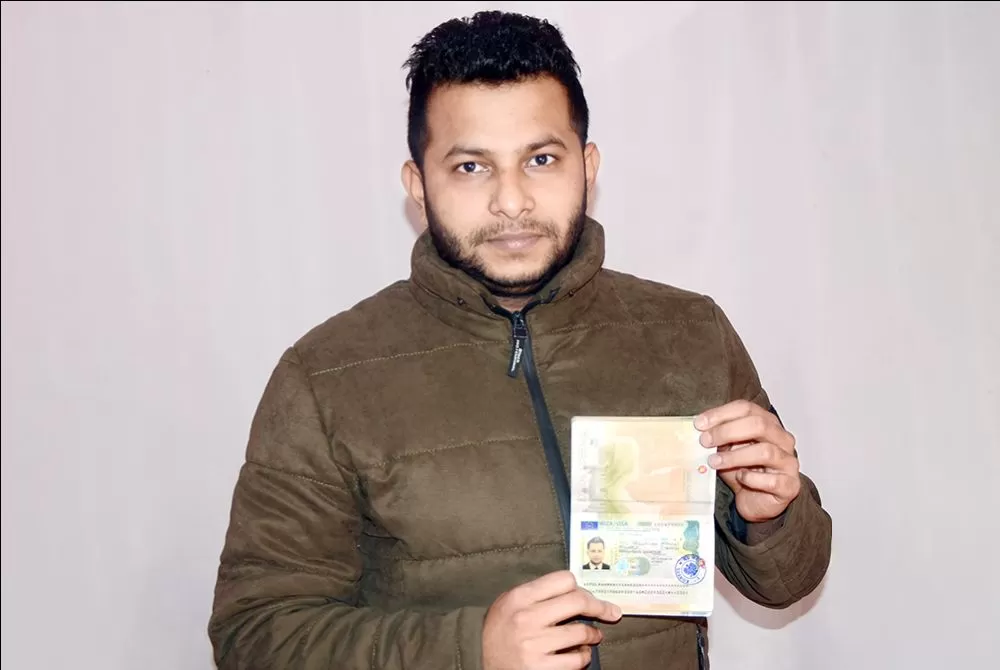
Global clients share how M2S Group helped them secure careers, work permits, and visas in Europe...


Why Choose M2S Group?
At M2S Group, we aim to help you become a true global citizen by providing exceptional support in your international career and immigration journey.
Read More



Get Started with M2S Group!
Our Platform
We connect institutions, employers, students, job seekers, and recruitment partners worldwide.

Employer
Are you recruiting skilled workers from the CIS, African, Asian regions, or other EU countries to work in Poland, Hungary, Lithuania, Slovakia, Estonia, Germany, and other EU nations? Partner with Moving2Europe.eu for efficient and reliable recruitment solutions.

Job seekers
Are you looking to work in Poland, Hungary, Lithuania, Slovakia, Estonia, Germany, or other EU countries? Could you let Moving2Europe. Can you connect with top employers and help with recruitment?

Recruitment Agency
Do you recruit prospective students and workers eager to study or work in Poland, Hungary, Lithuania, Slovakia, Estonia, Germany, or other EU countries? Join Moving2Europe.eu as a trusted Recruitment Partner and grow your network globally.
Do you have any questions?
We are here to help you explore opportunities to work and live in Europe. Our experts are ready to assist you with questions about job searching, obtaining a visa, recognising qualifications, and learning a European language. To learn more about contacting us, please click on one of the icons in the bar below.

Popular Features
Testimonials
Company
Essentials
Useful Links
Our Group
Copyright © 2026 Moving2Europe. All Rights Reserved.