Get Started with M2S Group!
We are a global platform connecting institutions, employers, students, job seekers, and recruitment partners.
Join Us Today:
Why Apply for a Montenegro Work Visa?
- An EU candidate country using the euro, outside the EU and Schengen
- A Single Permit combining residence and work in one biometric document
- Expedited three-year permit tracks for IT and healthcare
- A booming Adriatic economy in tourism, construction, and yachting
- Low taxes and a low cost of living
- A newly modernised 2026 Foreigners Act with electronic applications
- Pathway to permanent residence after five years
Montenegro, a stunning Adriatic nation and one of the Balkans’ fastest-growing relocation hubs, has become a magnet for foreign workers and investors. It uses the euro despite being outside the EU and Schengen, and it is an active EU candidate progressively aligning with EU standards. For non-EU professionals, it offers a Single Permit combining residence and work, with expedited three-year tracks for IT and healthcare, against a backdrop of booming tourism, construction, and luxury yachting, low taxes, and a low cost of living.


Montenegro Work Visa for Foreigners
Montenegro, a small but spectacular country on the Adriatic coast, has become one of the Balkans’ leading destinations for foreign workers, investors, and remote professionals. With dramatic mountains, a sunny Mediterranean coastline, and a fast-growing, tourism-driven economy, it now hosts around 100,000 foreign nationals — about 15% of its population. It uses the euro despite being outside the EU and Schengen, and, as an active EU candidate, it is steadily modernising its laws to meet European standards. This guide explains everything you need to know about working in Montenegro — the permit system and how its parts fit together, the 2026 reforms, eligibility, the documents to prepare, the fees, the processing times, realistic salaries, the sectors that actually hire foreigners, the route to permanent residence, and recent changes — so you can approach a move with an accurate and current picture of this welcoming Adriatic country.
Why Work in Montenegro?
Montenegro’s appeal is a blend of opportunity, lifestyle, and affordability. Its economy is booming, driven by tourism along the Budva Riviera, major construction and civil engineering projects, and an elite yachting and marine sector around Porto Montenegro and Luštica Bay. Taxes are low, the cost of living is modest, and the government openly views immigration as a driver of future growth. This genuinely welcoming stance translates into a real opportunity for foreign workers across many sectors.
For non-EU professionals, the country offers a clear, increasingly digital permit system, and the 2026 reforms introduced expedited three-year permit tracks for IT specialists and shortage occupations, including healthcare. Add a euro-based economy, a relaxed Mediterranean lifestyle, EU-candidate momentum, and a clear path to permanent residence, and Montenegro becomes an accessible and rewarding base for foreign workers in tourism, construction, yachting, IT, and beyond. For those drawn to coastal living at a modest cost, it is one of the most appealing options in the region.
There is also a strong lifestyle and momentum dimension. The Montenegrin coast is one of the most beautiful in the Mediterranean, with the UNESCO-listed Bay of Kotor, the beaches of Budva, and the luxury marinas of Tivat drawing visitors and residents alike. The country’s EU candidacy is driving steady modernisation, its use of the euro removes exchange-rate friction, and its openness to immigration makes it unusually welcoming. For professionals in tourism, construction, yachting, or increasingly IT and healthcare, Montenegro combines genuine job opportunities with an enviable quality of life at a fraction of Western European costs — an attractive and accessible Adriatic base.
Benefits of Working in Montenegro
Here is what makes Montenegro appealing to foreign workers:
- The euro as ca urrency, despite being outside the EU and Schengen
- A Single Permit combining residence and work in one document
- Expedited three-year permit tracks for IT and healthcare
- A booming economy in tourism, construction, and yachting
- Low taxes and a low cost of living
- A newly modernised 2026 Foreigners Act with electronic applications
- Family reunification for permit holders
- A spectacular Adriatic coastline and relaxed lifestyle
- A pathway to permanent residence after five years
With strong labour demand and an openness to immigration, Montenegro offers genuine opportunities for foreign workers across many sectors. The combination of the integrated Single Permit, the new expedited three-year tracks for IT and healthcare, the euro, and a low cost of living means that both skilled professionals and seasonal workers can find a route that suits them. At the same time, the modernised 2026 framework with electronic applications has made the process more efficient than before.
Types of Montenegro Work Permits
Most foreign nationals need a Single Permit, issued by the Ministry of Internal Affairs in coordination with the Employment Agency of Montenegro. UnderstPermit the main permit and the new expedited tracks are the key to choosing the right route.
Single Permit (Residence and Work)
The main route is an integrated biometric document that authorises both temporary residence and full-time employment with a specific sponsoring employer. It is generally issued for up to one year and is renewable, with renewal now requiring a verified full-time employment contract under the 2026 reforms. It is the standard route for most foreign workers and ties the right to work to the sponsoring employer.
Expedited Tracks for IT and Shortage Occupations
The 2026 amendments introduced faster, longer permit tracks — up to three years — for foreign nationals in the IT sector and certain shortage occupations, including healthcare, recognising their value to the economy. These tracks offer greater stability and quicker processing for in-demand professionals and are a deliberate effort to attract technology and healthcare talent to Montenegro.
Seasonal Work Permit
For temporary roles, especially in the tourism and hospitality sector along the coast, which sees huge demand during the long Mediterranean season. Seasonal permits fall under a separate quota and are designed to meet the large numbers of workers needed each summer in Budva, Kotor, and other coastal resorts.
Other Routes
Montenegro also offers residence through company ownership, a digital nomad permit for remote workers serving foreign clients, a staff-leasing route, and residence by real estate investment, each with its own conditions. These broaden the options beyond standard and seasonal employment for entrepreneurs, remote workers, and investors, widening access for particular groups and circumstances.
Montenegro Work Visa Eligibility Criteria
To be approved for a Montenegro work and residence permit, you generally need to satisfy the following, each of which is examined:
- A signed full-time employment contract with a registered Montenegrin employer
- A place within the annual quota for your activity
- A valid passport and a clean criminal record (issued within six months)
- Proof of accommodation covering the permit period
- Proof of solvency, such as funds in a Montenegrin bank or a qualifying salary
- Health insurance or coverage
- Personal appearance in Montenegro for biometrics
A defining feature of the system is the annual quota: for 2026, it was set at 28,988 permits, divided between regular employment, seasonal work, and a reserve, with the quota defining the activities in which foreigners may be employed. A key change under the 2026 reforms is that renewal now requires a verified full-time employment contract, tightening the link between residence and genuine employment. Confirming there is quota available for your activity, securing a full-time contract, and preparing proof of accommodation and solvency at the outset are the foundations of a successful application.
Documents Required for a Montenegro Work Visa
The core documents you should prepare in advance include:
- Valid passport
- A full-time employment contract
- A criminal record certificate, issued within the last six months
- Proof of accommodation (list nepokretnosti) covering the permit period
- Proof of solvency or a qualifying salary
- Health insurance
- Qualification documents, translated where required
Even when applications are submitted electronically under the modernised system, the foreign national must appear in person within ten days of entering Montenegro for a photograph, fingerprints, and a digital signature — an important step to plan for. The criminal record certificate must be recent (issued within the last six months), and proof of accommodation covering the permit period is required. A complete file containing the full-time contract, proof of solvency, and translated qualifications, along with timely in-person biometrics, enables the Ministry of Internal Affairs to process the application smoothly.
How to Apply for a Montenegro Work Visa: Step-by-Step Process
The process is employer-supported and runs through the Ministry of Internal Affairs, and following the sequence keeps it on track.
Step 1: Secure a job offer. Obtain a full-time employment contract with a registered Montenegrin employer.
Step 2: Type D visa, if needed. Nationals without visa-free entry apply for a Type D long-stay visa via the electronic Visa Information System at least 60 days before travel.
Step 3: Single Permit application. The application for the integrated residence and work permit is submitted, now possible electronically, with scanned documents and electronic fee payment.
Step 4: Enter and register. After arriving, appear in person within ten days for biometrics and address registration.
Step : Permit: Collect your permit. The Ministry of Internal Affairs issues your biometric Single Permit, typically within 30 to 60 days of a complete dossier, after which you can work and later renew in good time.
Montenegro Work Visa Processing Time
Processing is reasonable. Permit:
- Single Permit: typically 30 to 60 days from a complete application
- Temporary residence applications: often processed within 30 days
- Type D visa: apply at least 60 days before travel
- Renewals: submit between 60 and 30 days before expiry
Meeting the renewal window is critical — applying too late generally leads to rejection except in narrow humanitarian cases, so diarising the 60-to-30-days-before-expiry window is essential. The Single Permit is typically issued within 30 to 60 days of receipt of a complete dossier, and temporary residence applications are often processed more quickly. For nationals who need a Type D visa, applying at least 60 days before travel is important. As always, a complete, correctly prepared file is the biggest factor in keeping the timeline predictable and avoiding follow-up requests.
Montenegro Work Visa Fees & Costs
Montenegro fees are modest, in keeping with the country’s affordability:
- Residence and work permit fees: per the applicable schedule, payable electronically
- Type D visa fee: at the consulate or via the electronic system
- Translation and document preparation: variable by document and country
- Health insurance: variable
Combined with a low cost of living, the overall cost of relocating to Montenegro is reasonable. The official permit and visa fees are modest and can now be paid electronically under the modernised system. For most applicants, the notable additional costs are the translation of documents and health insurance, rather than government charges. Set against the low cost of living and low taxes, Montenegro is an affordable country in which to establish yourself, which adds to its appeal for both skilled professionals and seasonal workers.
Job Market in Montenegro for Foreign Workers
Montenegro’s demand is driven by tourism, construction, yachting, and increasingly IT and healthcare. The coast drives huge seasonal tourism demand, construction is busy nationwide, and Podgorica anchors the growing technology and healthcare sectors. Here is where the opportunities are:
| Sector | In-Demand Roles | Main Hiring Areas | Demand Level |
|---|---|---|---|
| Tourism & Hospitality | Chefs, Housekeepers, Front Desk, Managers | Budva, Kotor, Coast | Very High (Seasonal) |
| Construction & Civil Engineering | Masons, Electricians, Plumbers, Engineers | Nationwide | Very High |
| Yachting & Marine | Marine Engineers, Crew, Service Staff | Tivat, Porto Montenegro | High |
| Information Technology | Software Developers, IT Specialists | Podgorica | High |
| Healthcare | Doctors, Nurses, Specialists | Podgorica, Nationwide | High |
| Logistics & Services | Logistics, Retail, Support Staff | Podgorica, Coast | Medium-High |
| Retail & Trade | Sales, Specialists, Managers | Nationwide | Medium |
Tourism and hospitality generate the largest seasonal demand, concentrated along the coast in Budva, Kotor, and the other resorts, and absorb large numbers of foreign workers each summer. Construction and civil engineering are busy nationwide, driven by major development projects, while the elite yachting and marine sector around Tivat and Porto Montenegro needs marine engineers and crew. The IT and healthcare sectors, centred on Podgorica, benefit from the new expedited three-year permit tracks. Matching your profile to one of these sectors — ideally IT or healthcare for faster, longer permits, or tourism and construction for volume demand — is key to a realistic application.
Top In-Demand Jobs in Montenegro for Foreigners
If you fit one of these roles, your chances of working in Montenegro improve significantly:
- Chef, Housekeeper, and Hospitality Professional
- Mason, Electrician, and Plumber
- Civil Engineer and Construction Manager
- Marine Engineer and Yacht Crew
- Software Developer and IT Specialist
- Doctor and Registered Nurse
- Logistics and Retail Specialist
- Hotel and Resort Manager
Tourism and construction drive the most demand, while IT and healthcare benefit from the new expedited three-year permit tracks introduced in 2026. If you are a skilled tradesperson or hospitality professional, the high-volume tourism and construction sectors offer the most openings. At the same time, IT specialists and healthcare workers enjoy faster, longer permits and growing demand. Matching your skills to one of these areas — and choosing the expedited track where you qualify — gives you the best prospects in Montenegro’s welcoming labour market.
Average Salary of Workers in Montenegro
Salaries are modest, but the cost of living is low, and Montenegro uses the euro. Here is a realistic snapshot of monthly and annual gross salaries:
| Job Role | Monthly Salary (EUR) | Approx. Annual Salary (EUR) | Experience Level |
|---|---|---|---|
| Software Developer | 1,200 – 3,000 | 14,400 – 36,000 | Mid to Senior |
| Senior Developer / IT Specialist | 2,000 – 4,500 | 24,000 – 54,000 | Senior |
| Marine Engineer / Yacht Crew | 1,500 – 4,000 | 18,000 – 48,000 | All Levels |
| Civil Engineer | 1,000 – 2,200 | 12,000 – 26,400 | Mid Level |
| Hotel / Resort Manager | 1,000 – 2,200 | 12,000 – 26,400 | Mid to Senior |
| Chef | 800 – 1,800 | 9,600 – 21,600 | All Levels |
| Doctor | 1,200 – 2,800 | 14,400 – 33,600 | All Levels |
| Nurse | 600 – 1,200 | 7,200 – 14,400 | All Levels |
| Construction Worker | 700 – 1,400 | 8,400 – 16,800 | Skilled Trade |
| Hospitality Staff | 600 – 1,000 | 7,200 – 12,000 | Entry to Mid |
Note: Montenegro uses the euro. Following the “Europe Now” minimum wage reforms, hospitality salaries typically range from €600 to €1,000 net per month, often with employer-provided housing and meals that increase the total package. Salaries are highest in IT and senior tourism and marine roles, and with low taxes and living costs, take-home pay stretches further than the headline figures suggest.
Taxes and Cost of Living in Montenegro
Montenegro has a relatively low and simple tax system, which is part of its appeal. Personal income tax is levied at modest rates, and the “Europe Now” reforms restructured wages and contributions to raise net pay, particularly at the lower end, while keeping the overall burden light by European standards—social contributions aapply toemployment income in the usual way. Because the reforms have changed how wages and contributions are structured, and the rates remain modest, it is worth confirming your specific position; in general, the tax environment is favourable and straightforward.
The cost of living is low by Western European standards, which amplifies the value of every euro earned. Rent is inexpensive outside the most sought-after coastal spots, and even on the coast it remains far below Western European levels; groceries, dining, and transport are affordable; and the Mediterranean lifestyle — sea, mountains, and an outdoor culture — costs little. Many hospitality roles also include employer-provided housing and meals, which significantly increase the real value of a modest salary. For an IT professional or skilled worker earning a solid Montenegrin salary while facing low costs and low taxes, the combination delivers a comfortable lifestyle in a beautiful setting. Always confirm current tax rates and thresholds before relying on them.
Dependent and Family Benefits for Montenegro Permit Holders
Montenegro allows family reunification for work-permit holders:
- Temporary residence for spouses and minor children
- Recognition of same-sex partners under the 2026 reforms
- Access to a low cost of living and a safe environment
- The ability to renew residence alongside the main applicant
- Separate permitsare required for family members who intend to work
Family members require separate permits if they intend to work, and apply based on their relationship ,was evidenced bytranslated civil documents such as marriage and birth certificates. A notable modernisation under the 2026 reforms is the recognition of same-sex partners for reunification purposes, broadening the circle of those who can join a permit holder. Because Montenegro is safe, welcoming, and very affordable, relocating a family can be comfortable and economical. A permit is in place, with the low cost of living making a single income stretch further for a household.
Pathway to Permanent Residency in Montenegro
Montenegro offers a clear route to long-term settlement:
- Single Permits are renewable, now tied to continuous full-time employment
- After five years of continuous legal residence, you can apply for permanent residence
- Permanent residence grants most rights of citizenship, except voting and a passport
- Citizenship may be possible after ten total years
- Continuous, compliant residence and tax compliance are essential
Maintaining continuous, compliant residence and meeting tax obligations are key to qualifying for permanent settlement. Under the 2026 reforms, renewals are now tied to continuous full-time employment, so keeping a valid contract and good tax standing matters throughout. After five years of continuous legal residence, permanent residence becomes available, granting most rights of citizenship except voting and a passport, and citizenship itself may be possible after ten total years. For those who settle and integrate, Montenegro offers a clear and attainable long-term path.
Latest Montenegro Work Permit Rule Changes
Montenegro overhauled its Foreigners Act in 2026, so working from current rules matters. The key points:
- The amendments took effect on 17 January 2026, linking residence more closely to actual employment and tax compliance.
- The 2026 annual quota was set at 28,988 permits, split between employment, seasonal work, and a reserve.
- Expedited three-year permit tracks were introduced for IT and shortage occupations, including healthcare.
- Applications can now be submitted electronically, though in-person biometrics within ten days remain required.
- Company owners and directors must show at least €5,000 in taxes and contributions paid for renewal.
- Same-sex partners are now recognised for family reunification.
These rules are administered by the Ministry of Internal Affairs and the Employment Agency of Montenegro. Because the 2026 reforms took effect in January and tightened the link between residence, full-time employment, and tax compliance, always confirm the current requirements and quota availability before applying, and ensure your employment and tax position meet the new standards, particularly for renewals.
Common Reasons for a Montenegro Work Visa Rejection
Most rejections happen for a recognisable set of reasons:
- The annual quota for the activity is exhausted
- Not holding a verified full-time employment contract at renewal
- Missing the renewal window of 60 to 30 days before expiry
- Unpaid taxes or social contributions, for company owners and directors
- Incomplete or untranslated documents
- Insufficient proof of accommodation or solvency
A good immigration consultant ensures full-time employment, tax complianc , and a complete, timely application before submission, which is where most problems are prevented. Under the 2026 reforms, recurring pitfalls include not holding a verified full-time contract at renewal and failing to meet the strict renewal window. Confirming quota availability, maintaining a valid full-time contract and good tax standing, and applying within the 60-to-30-days-before-expiry window are the surest ways to a clean approval in the modernised system.
How moving2europe.EU Can Help You
Montenegro is welcoming and full of opportunity, but the 2026 reforms made compliance and timing more important than ever. At moving2europe.eu, we help foreign nationals navigate the process from start to finish. Here is what we bring to the table:
- End-to-end guidance, from assessment to landing in MoPermitro
- Single Permit and residence applications are managed together
- Guidance on the expedited IT and healthcare tracks
- Document preparation and translation
- Liaison with Montenegrin employers in tourism, construction, yachting, and IT
- Family reunification is handled alongside your application
- Updates on the 2026 quota, deadlines, and compliance rules
- Transparent fees and real human support throughout
Whether you are joining a coastal resort, a construction project, a Porto Montenegro marina, or a Podgorica tech firm, we can help you make the move to Montenegro smoothly — with the right route, full compliance with the 2026 rules, and a complete, timely application.
Start Your Journey to Montenegro Today
Wherever you are in the process, moving2europe.eu is ready to help you take the next step toward working in Montenegro. Choose the path that fits you:
- Job seekers — browse opportunities and begin your application on our Work in Europe page.
- Employers — hiring international talent for Montenegro? Register as an employer to connect with skilled, pre-screened candidates.
- Recruitment partners — run a recruitment agency? Register as a recruitment partner to join our growing network.
Take the first step toward your new career in Montenegro — get in touch with moving2europe.Eu today.
Montenegro
Moving2Europe helps job seekers find rewarding employment opportunities across Montenegro. We connect skilled, semi-skilled, and qualified workers with trusted Montenegrin employers in tourism and hospitality, construction, yachting and marine, IT, and healthcare, supporting candidates from South Asia, East Asia, Sub-Saharan Africa, the Middle East, Latin America, Europe, and North America.
Our work placement services extend across Montenegro, including Podgorica, Budva, Kotor, and Tivat.
We guide candidates through every stage of the journey — from the Single Permit and Type D visa to the expedited IT and healthcare tracks, document translation, biometric registration, and onboarding. Whether you’re a chef, a marine engineer, a construction specialist, or a software developer, we help you secure stable, well-matched work that meets Montenegrin standards and supports your long-term goals.
Ready to Work in Montenegro?
Please tell us your situation. Our team will manage the Single Permit and residence applications, guide you on the expedited IT and healthcare tracks, prepare and translate your documents, and coordinate the process from start to finish — so you arrive in Montenegro ready to start.
Conclusion
Montenegro is one of the Balkans’ most dynamic and welcoming destinations — an EU candidate using the euro, with a booming Adriatic economy in tourism, construction, and yachting, low taxes, and a low cost of living. Foreign workers need a Single Permit combining residence and work, with new expedited three-year tracks for IT and healthcare under the modernised 2026 Foreigners Act. Line up a full-time role, prepare your documents, and Montenegro becomes very achievable. And if you want a hand along the way, moving2europe.eu is here to help.
Looking for inspiration
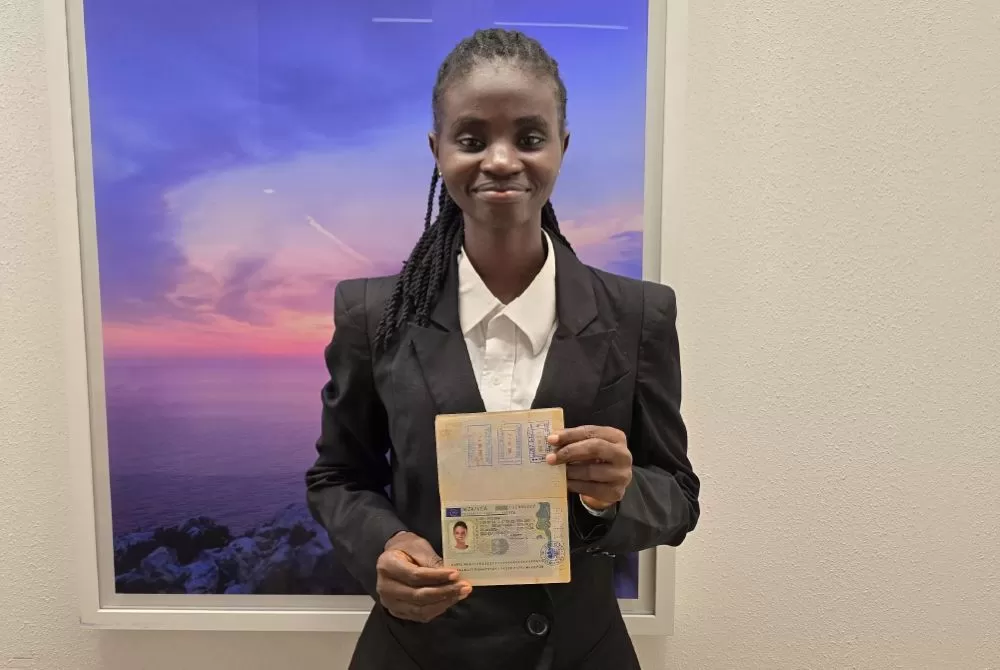
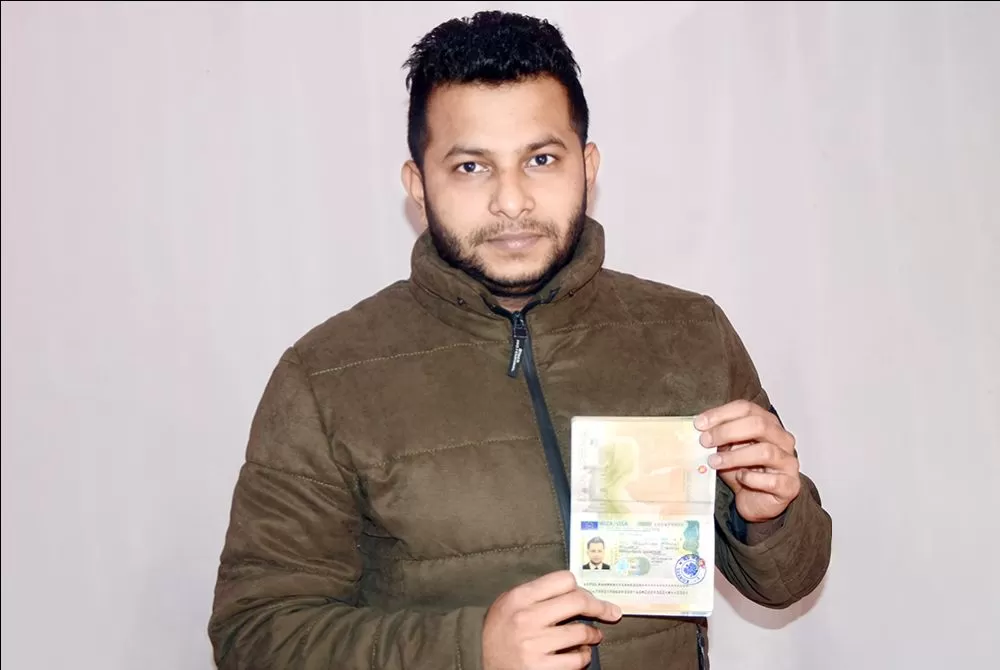
Global clients share how M2S Group helped them secure careers, work permits, and visas in Europe...

Why Choose M2S Group?
At M2S Group, we aim to help you become a true global citizen by providing exceptional support in your international career and immigration journey.
Read More



Get Started with M2S Group!
Our Platform
We connect institutions, employers, students, job seekers, and recruitment partners worldwide.

Employer
Are you recruiting skilled workers from the CIS, African, Asian regions, or other EU countries to work in Poland, Hungary, Lithuania, Slovakia, Estonia, Germany, and other EU nations? Partner with Moving2Europe.eu for efficient and reliable recruitment solutions.

Job seekers
Are you looking to work in Poland, Hungary, Lithuania, Slovakia, Estonia, Germany, or other EU countries? Could you let Moving2Europe. Can you connect with top employers and help with recruitment?

Recruitment Agency
Do you recruit prospective students and workers eager to study or work in Poland, Hungary, Lithuania, Slovakia, Estonia, Germany, or other EU countries? Join Moving2Europe.eu as a trusted Recruitment Partner and grow your network globally.
Do you have any questions?
We are here to help you explore opportunities to work and live in Europe. Our experts are ready to assist you with questions about job searching, obtaining a visa, recognising qualifications, and learning a European language. To learn more about contacting us, please click on one of the icons in the bar below.