We are a global platform connecting institutions, employers, students, job seekers, and recruitment partners.
Join Us Today:
Lithuania, a fast-growing Baltic nation, has become a leading destination for foreign workers seeking legal and rewarding job opportunities in Europe.
With its modern economy, rising industries, and open immigration policies, Lithuania offers numerous opportunities for skilled and unskilled workers from around the world.
This detailed guide covers everything you need to know about the Lithuania Work Visa and Work Permit, including eligibility, application steps, documents, processing time, costs, and frequently asked questions — helping you understand how to start your career in Lithuania legally.
1. Rapidly Growing Economy
Lithuania’s economy is one of the strongest in Eastern Europe, driven by manufacturing, logistics, IT, construction, and agriculture.
The government actively supports foreign recruitment to meet workforce demands.
2. High Demand for International Workers
Lithuanian employers are increasingly hiring skilled and unskilled workers from India, Nepal, Bangladesh, the Philippines, Vietnam, and African countries to fill vacancies across sectors.
3. Legal Pathway to the European Union
A Lithuanian Work Visa provides a legitimate route to live and work in the EU.
Holders of a Lithuanian residence permit can travel freely across the Schengen Zone.
4. Affordable and Comfortable Lifestyle
Living costs in Lithuania are significantly lower than in Western Europe, enabling workers to enjoy a comfortable life while saving a substantial portion of their income.
5. Pathway to Permanent Residence
After legally living and working in Lithuania for five consecutive years, foreigners can apply for Permanent Residence and later for Lithuanian citizenship.
6. Transparent and Efficient Procedures
Lithuania’s digitalised immigration system ensures a quick, lawful, and transparent process for both employers and foreign employees.
A Lithuanian Work Permit allows non-EU citizens to work legally for a specific Lithuanian employer.
It specifies your job title, employment period, and company details. Without a valid permit, foreign nationals are not eligible to apply for a work visa or to commence legal work in the country.
The Employment Service issues work permits under the Ministry of Social Security and Labour, while residence permits are managed by the Migration Department (MIGRIS).
Work permits are usually valid for 1 to 2 years, depending on the employment contract, and can be renewed.
|
Permit Type |
Purpose |
Validity |
Ideal For |
|---|---|---|---|
|
Standard Work Permit |
For full-time employees hired by Lithuanian employers |
1–2 years |
General workforce |
|
EU Blue Card |
For highly qualified professionals with higher salaries |
Up to 3 years |
Skilled IT, engineering, and medical experts |
|
Seasonal Work Permit |
For temporary employment in agriculture or tourism |
Up to 6 months |
Farm and hotel workers |
|
Intra-Company Transfer |
For foreign employees relocated from global branches |
1–3 years |
Corporate and technical staff |
|
Startup Visa |
For foreign entrepreneurs starting a business in Lithuania |
1 year (renewable) |
Founders and investors |
The Type D National Visa is a long-stay visa that enables non-EU nationals to reside and work in Lithuania for periods exceeding 90 days.
It is directly linked to your approved work permit or employment registration.
To qualify for a Lithuania Work Visa, you must:
The Lithuanian Type D visa is typically valid for 1 year and renewable upon continued employment.
|
Stage |
Estimated Duration |
|---|---|
|
Work Permit Application |
30–45 working days |
|
Visa Application |
15–30 working days |
|
Residence Card (TRP) |
1–3 months |
|
Total Estimated Duration |
60–120 working days |
|
Service |
Average Fee (€) |
Paid By |
|---|---|---|
|
Work Permit Application |
120 |
Employer |
|
Type D Visa |
100 |
Employee |
|
Embassy / VFS Service Fee |
25 |
Employee |
|
Residence Card (TRP) |
140 |
Employee |
Additional costs may include health insurance, translation of documents, and legalisation fees.
|
Industry |
Common Roles |
Average Monthly Salary (€) |
Permit Type |
|---|---|---|---|
|
Manufacturing |
Machine Operators, Assemblers |
1,000–1,600 |
Work Permit |
|
Construction |
Welders, Electricians, Labourers |
1,200–1,900 |
Work Permit |
|
Agriculture |
Farm Workers, Pickers |
900–1,300 |
Seasonal |
|
Logistics & Warehousing |
Truck Drivers, Loaders |
1,300–2,200 |
Work Permit |
|
IT & Engineering |
Software Developers, Analysts |
2,500–5,000 |
Blue Card |
|
Healthcare |
Nurses, Caregivers |
1,700–3,500 |
Work Permit |
|
Hospitality |
Chefs, Cleaners, Waiters |
1,000–1,400 |
Seasonal |
Lithuania is one of the fastest-growing economies in the Baltic region, offering a competitive labour market, rising industrial sectors, strong technology development and excellent living standards. However, Lithuania’s immigration rules—work permits, employer sponsorship, residence processing, quotas and documentation formalities—can be complex without professional guidance.
Moving2Europe.eu provides transparent, compliant and end-to-end Lithuania immigration support for international workers, families and employers recruiting globally.
We assist with all essential Lithuanian immigration routes, including:
Support is offered to both individuals and employers hiring foreign professionals.
1. Work Permit & Employment-Based Residence Support
We assist with:
2. Documentation & Embassy/VFS Assistance
Our services include:
3. Arrival & Legal Procedures in Lithuania
We guide you through:
We assist families relocating to Lithuania with:
We ensure a smooth and legally compliant move for your family.
Lithuania faces labour shortages across multiple sectors, including:
We support employers with:
We ensure foreign employees receive valid Lithuanian permits accurately and efficiently.
For senior professionals and executives, we provide:
Our digital platform offers:
Perfect for both individual applicants and HR departments.
We make Lithuania’s immigration process easy, organised and fully compliant.
Whether you are applying for a job, relocating your family or hiring foreign employees, Moving2Europe.eu ensures a professional, smooth and legally sound Lithuania immigration experience from start to finish.
1. What are the main types of Lithuanian work permits?
Lithuania offers the Work Permit, Temporary Residence Permit for Employment, EU Blue Card, Seasonal Work Permit, and Intra-Company Transfer Permit. Each fits different job skills and durations.
2. What is the Lithuania Temporary Residence Permit for Employment?
A long-term permit allowing non-EU nationals to live and work in Lithuania. It is usually issued for 1–2 years and is renewable.
3. What documents are required for a Lithuanian work permit?
A passport, job contract, employer sponsorship, qualification proof, medical insurance, police clearance, and accommodation details. Some require Lithuanian translation.
4. How long does the Lithuanian work permit process take?
Processing typically takes 4–8 weeks, depending on the Migration Department’s workload and employer compliance.
5. Do I need a job offer to apply for a Lithuanian work visa?
Yes, a valid employment contract is required for nearly all Lithuanian work permits.
6. What is the EU Blue Card Lithuania?
A residence permit for highly qualified workers with higher salaries and recognised education. It offers long-term mobility across the EU.
7. Can I apply for a Lithuanian work permit from abroad?
Yes, employers apply in Lithuania, and applicants complete visa steps at the Lithuanian Embassy abroad.
8. Can Lithuanian employers sponsor foreign workers?
Yes, employers may hire non-EU workers if job roles meet wage, qualification, and labour compliance standards.
9. What is the minimum salary requirement in Lithuania?
Workers must earn at least Lithuania’s national minimum or sector-specific wage. Highly qualified roles require higher income.
10. Can students work in Lithuania?
Yes, international students can work up to 20 hours per week during the academic year and unlimited hours during holidays.
11. What are the shortage occupations in Lithuania?
IT, manufacturing, logistics, construction, agriculture, mechanics, and hospitality consistently face labour shortages.
12. Can I bring my family to Lithuania while working?
Yes, spouses and children may apply for family reunification after you receive your residence permit.
13. Do dependents have work rights in Lithuania?
Yes, dependents can work after receiving a residence permit that includes employment rights.
14. What is the Startup Visa Lithuania?
A special residence permit for entrepreneurs launching innovative businesses in Lithuania. It allows flexible residency and family relocation.
15. Can I change employers after receiving a Lithuanian work permit?
Yes, but a new work permit or updated residence permit is required before starting with the new employer.
16. Do I need Lithuanian or Russian language skills?
Not always. Many factories and logistics centres accept English, but Lithuanian helps for long-term settlement.
17. Is health insurance mandatory in Lithuania?
Yes, foreign workers need private health insurance until they qualify for Lithuania’s public health system.
18. What is the Lithuania Seasonal Work Permit?
A short-term permit for agriculture, food processing, and hospitality roles, valid for up to 6 months.
19. Can seasonal workers apply for long-term residence?
Seasonal permits do not lead to long-term stay. A standard employment contract is required.
20. How do I register my address in Lithuania?
After arrival, you must register your place of residence with the Migration Department for residence card issuance.
21. Can I apply for permanent residence in Lithuania?
Yes, after 5 years of legal residence with stable income and clean records, you may apply for long-term residency.
22. Does Lithuania hire non-EU workers?
Yes, Lithuania actively recruits foreign workers due to labour shortages in manufacturing, logistics, construction, and services.
23. What are the most in-demand jobs in Lithuania?
Truck drivers, warehouse workers, welders, machine operators, hotel staff, cleaners, and IT specialists.
24. Is it challenging to find a job in Lithuania?
No, especially in factories, logistics companies, and seasonal agricultural sectors that regularly hire foreign workers.
25. How long can I stay with a Lithuanian long-stay visa?
Usually up to 90 days for processing entry and residence cards.
26. Can I renew my Lithuania work permit?
Yes, work and residence permits can be renewed if your employment continues and you submit the required documents on time.
27. What is a Lithuanian Residence Permit Card?
A biometric card proving your legal right to live and work in Lithuania. It must be renewed before expiration.
28. Do I need biometrics for Lithuania?
Yes, fingerprints and photographs are required for the issuance of visas and residence permits.
29. Can you apply for my employer?
Yes, employers submit employment requests to the Labour Office or the Migration Department. You complete embassy requirements.
30. Is Lithuania part of the Schengen Area?
Yes, Lithuania is a Schengen member, granting residence permit holders free movement within Schengen countries.
31. Can I travel in Europe with a Lithuanian residence permit?
Yes, you may travel across Schengen states for up to 90 days within 180 days.
32. What happens if my Lithuanian work permit is refused?
You may appeal or resubmit with improved documentation. Refusals typically relate to employer non-compliance or missing documents.
33. Does Lithuania hire truck drivers and logistics workers?
Yes, the logistics and transport sector has a high demand for licensed foreign drivers.
34. Is Lithuania a good option for skilled migrants?
Yes, Lithuania offers strong job opportunities, low living costs, and straightforward processing for skilled worker residence permits.
35. Do my documents need a Lithuanian translation?
Yes, most documents must be translated by certified Lithuanian translators. Some require an apostille/legalisation.
36. Can unskilled workers find jobs in Lithuania?
Yes, factories, agriculture, warehouses, and cleaning companies frequently hire unskilled or semi-skilled workers.
37. What is the Lithuania work permit processing time?
On average, 4–8 weeks, but expedited processing may be possible for specific categories.
38. Are healthcare workers in demand in Lithuania?
Yes, caregivers, nurses, and medical assistants are needed in both public and private facilities.
39. Do employers provide accommodation in Lithuania?
Many employers offer shared housing, especially for factory or warehouse workers. Some provide rental support.
40. What is the labour market test in Lithuania?
In some cases, employers must prove no local worker is available. Shortage occupations may bypass this test.
41. Can I work while my permit is processing?
No, you must wait for the residence permit approval before starting work legally.
42. Is there an age limit for Lithuania work permits?
There is no official age limit, but workers must meet job and health requirements.
43. Can I convert a tourist visa to a work visa in Lithuania?
No, Lithuania requires work visa applications to be submitted from outside the country.
44. Does Lithuania offer entry-level jobs for foreigners?
Yes, packaging, assembly lines, cleaning, hospitality, and farming roles require minimal qualifications.
45. Are biometrics required again after arrival?
Yes, biometrics are collected again during residence card issuance.
46. Does Lithuania have a digital nomad visa?
Lithuania does not yet have a dedicated digital nomad visa, but freelancers may use business residence categories.
47. What are the highest-paying sectors in Lithuania?
IT, engineering, logistics management, manufacturing supervisors, and finance roles offer higher salaries.
48. Does Moving2Europe.eu help with Lithuania work permits?
Yes, we support job matching, employer sponsorship, documentation, embassy appointments, and residence processing.
49. Can working in Lithuania lead to permanent residence?
Yes, after 5 years of legal stay and stable employment, you may apply for permanent residence.
50. How can I start my Lithuania work visa application?
Send your CV to Moving2Europe.eu, choose your job category, and we handle employer sponsorship and complete visa processing for you.
M2S Group Sp. z o.o. Provides complete support for Lithuania Work Visas, Work Permits, and Residence Cards.
Our team assists with verified job offers, employer coordination, document preparation, and embassy applications, ensuring a legal and transparent process.
For trusted guidance and genuine opportunities in Lithuania, you can contact M2S Group Sp. z o.o. Today, begin your journey to a successful career in Europe.
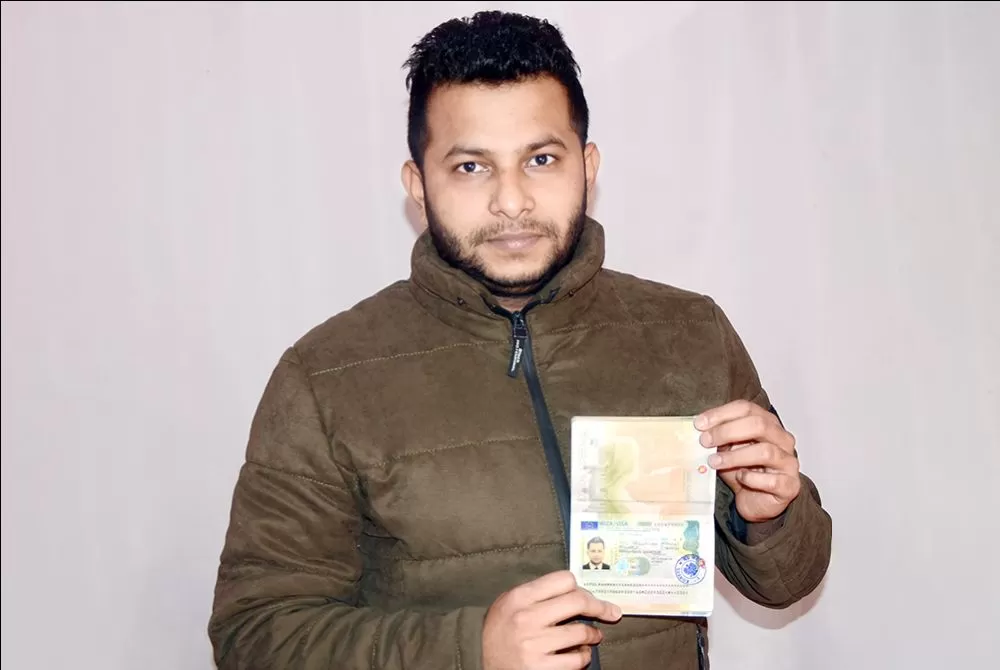
Global clients share how M2S Group helped them secure careers, work permits, and visas in Europe...
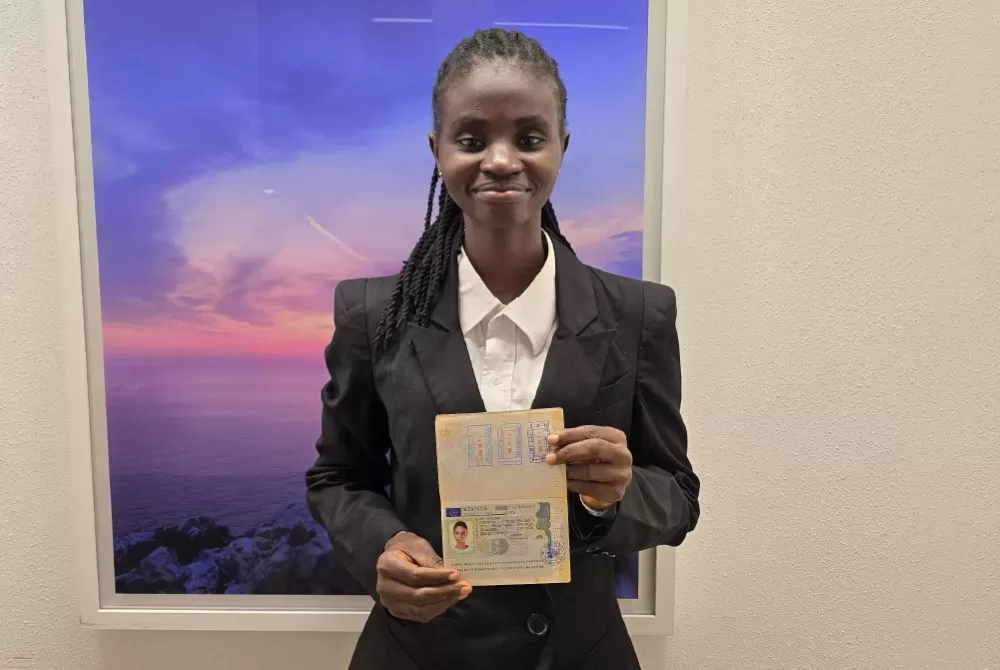
At M2S Group, we aim to help you become a true global citizen by providing exceptional support in your international career and immigration journey.
Read MoreWe connect institutions, employers, students, job seekers, and recruitment partners worldwide.


Are you recruiting skilled workers from the CIS, African, Asian regions, or other EU countries to work in Poland, Hungary, Lithuania, Slovakia, Estonia, Germany, and other EU nations? Partner with Moving2Europe.eu for efficient and reliable recruitment solutions.

Are you looking to work in Poland, Hungary, Lithuania, Slovakia, Estonia, Germany, or other EU countries? Could you let Moving2Europe. Can you connect with top employers and help with recruitment?

Do you recruit prospective students and workers eager to study or work in Poland, Hungary, Lithuania, Slovakia, Estonia, Germany, or other EU countries? Join Moving2Europe.eu as a trusted Recruitment Partner and grow your network globally.
We are here to help you explore opportunities to work and live in Europe. Our experts are ready to assist you with questions about job searching, obtaining a visa, recognising qualifications, and learning a European language. To learn more about contacting us, please click on one of the icons in the bar below.

No products in the cart.